
Join us December 4 for the panel discussion Counterhistories of Latinx Social Media. The program is moderated by Urayoán Noel and marks the launch of his new book Virtually Latinx: Identities in the Age of Social Media (University of Texas Press) which shows how historically marginalized Latinxs—including Black, Trans, undocumented, and disabled people—have used digital platforms to challenge hegemonic Latinidad and to build alternatives communities.
About the Book
In the first-ever study of Latinx social media, Urayoán Noel shows how historically marginalized Latinxs—including Black, Trans, undocumented, and disabled people—have used digital platforms to challenge hegemonic Latinidad and to build alternatives communities.
Incorporating elements of history, ethnography, and performance studies, Virtually Latinx traces the evolution of Latinx social media and blogging since the early 1990s, focusing on creative movements and vocabularies emerging and consolidating online. From Chicano/LatinoNet, Latina Lista, and Remezcla, to activists and performers on TikTok, online creators and platforms have spurred modes of art and activism that counter both Latinidad’s essentialized body politics and Big Tech’s domination of the information sphere. In dialogue with scholars of media, virtuality, and identity, Noel theorizes how hashtags like #Afrolatina, #Latinx, and #Latine have not only facilitated online exchange but also nurtured new knowledge formations surrounding Black, feminist, undocuqueer, Trans, and disability poetics and politics. Click to learn more and purchase the book.
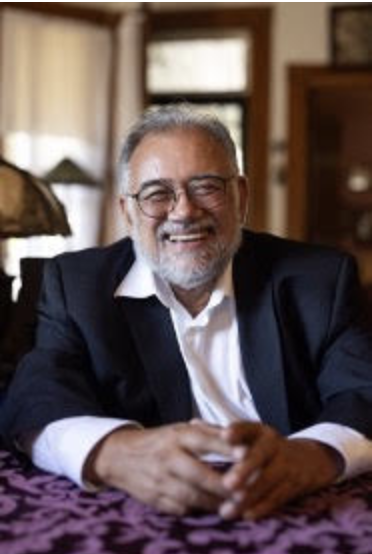
Richard Chabrán is a distinguished librarian, digital inclusion advocate, and scholar who has spent his career preserving and documenting Chicana and Latino histories. He is widely recognized for building foundational resources for ethnic studies and leading efforts to bridge the digital divide. Chabrán received his BA in Anthropology and Master of Library and Information Studies from the University of California, Berkeley. He led the development of two internationally recognized Chicano collections at the University of California at Berkeley and UCLA. He served as the director of the Center for Virtual Research, University of California, Riverside where he developed a community technology center. He led the development of the Chicano Periodical Index; The Chicano Thesaurus; The Latino Encyclopedia and Chicano LatinoNet (CLnet). For 20 years he taught at the School of Information at the University of Arizona, working closely with their Knowledge River Program. Chabrán's decades-long dedication to systemic equity has earned him high-profile honors from major professional institutions.
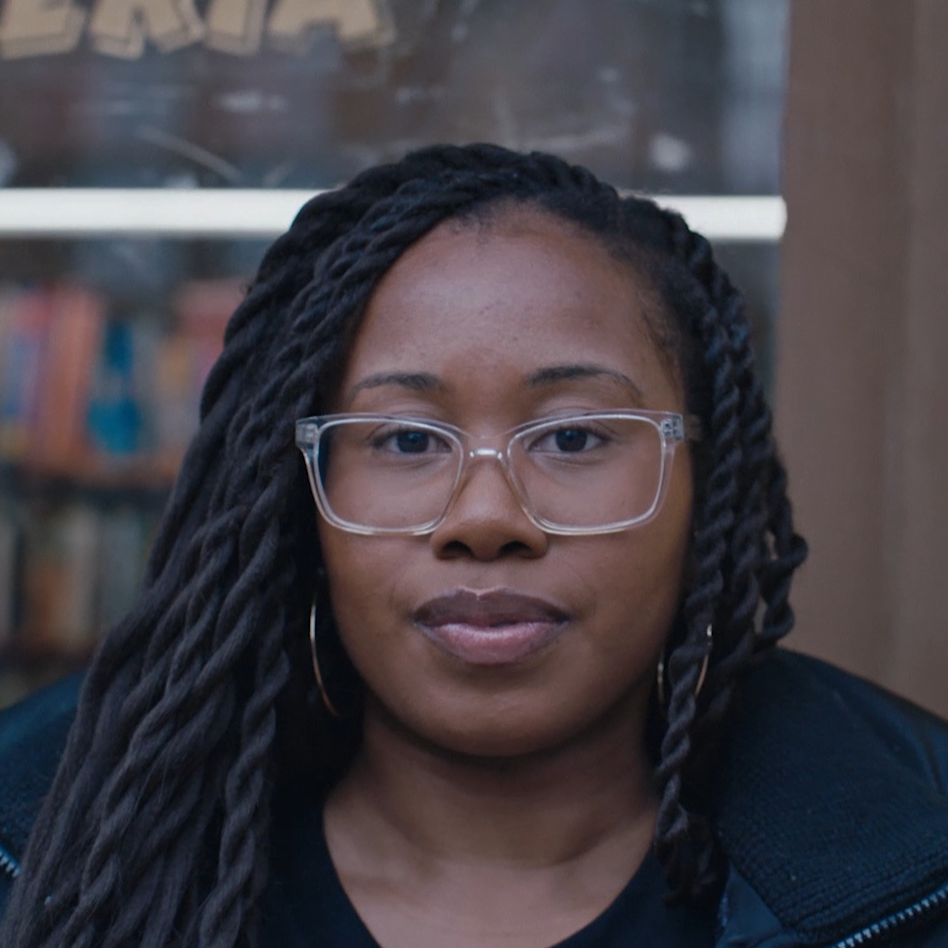
Janel Martinez is a writer and the founder of the award-winning blog, Ain't I Latina?, an online destination celebrating Afro-Latinx womanhood. The Bronx, NY native is a frequent public speaker discussing media, culture, and identity at conferences and events for Bloomberg, SXSW, Harvard University, and more. She’s appeared as a featured guest on national shows and outlets, such as MS NOW's The Culture Is: Latina, BuzzFeed, ESSENCE, NPR, and Sirius XM, and her work has appeared in Adweek, Univision Communications, Oprah Daily, Refinery29, Remezcla and The New York Times, among others. Martinez received the Afro-Latino Festival of New York's Digital Empowerment Award and, in 2018, was recognized at City Hall by the New York City Council, the Black, Latino and Asian Caucus and the Bronx Delegation to the NYC Council for her contributions as a woman of Garifuna descent. She penned "Abuela's Greatest Gift" in the YA anthology, Wild Tongues Can't Be Tamed, published by Flatiron Books.
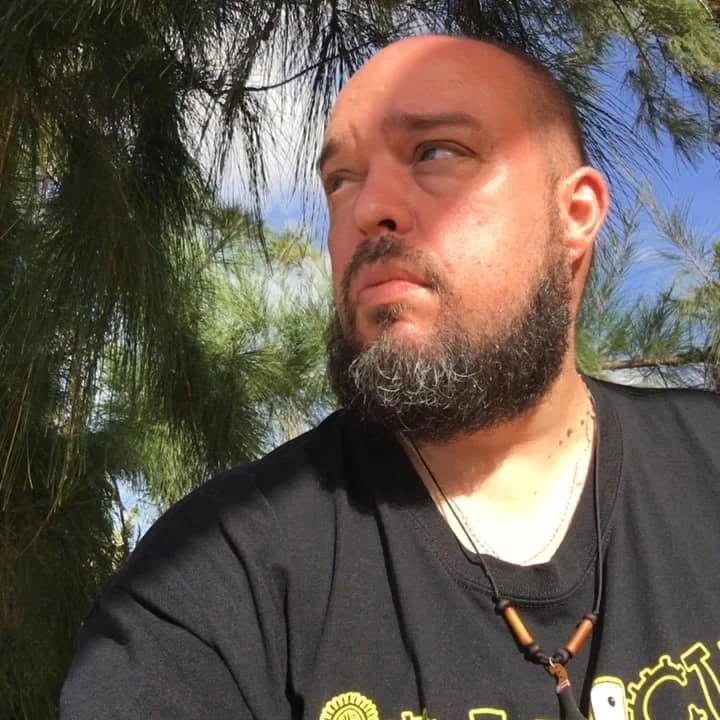
George Torres, the “Urban Jíbaro,” is a digital storyteller, strategist, and the founder of Sofrito For Your Soul, one of the earliest Latino cultural storytelling platforms on the web. Launched in 1997 on GeoCities, it helped lay the groundwork for what Latinx social media would become. He is widely recognized as the first Latino blogger and co-created Capicu Culture, the poetic arts showcase, and its companion podcast, Radio Capicu. Over a 30-year career in digital media, George produced segments of the largest Latino social media conference ever held, which ran for about eight years. Today he is the founder of Siembra Connect, a creator education platform for storytellers, small business owners, and community leaders of color, with a curriculum that addresses creators’ mental health.
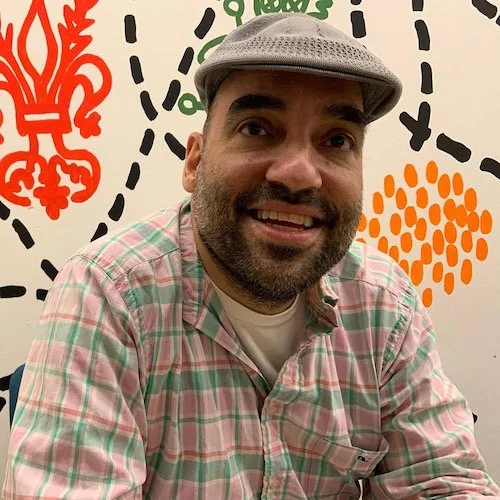
Urayoán Noel is Associate Professor of English and Spanish and Portuguese at New York University, and has also taught at SUNY Albany and at Stetson University's MFA of the Americas. He is the author of In Visible Movement: Nuyorican Poetry from the Sixties to Slam (Iowa, 2014), the first book-length study of Nuyorican poetry, which received the LASA Latino Studies Section Book Prize and the MLA Prize in United States Latina and Latino and Chicana and Chicano Literary and Cultural Studies Honorable Mention. He has also published several books of poetry, including Buzzing Hemisphere/Rumor Hemisférico (2015) and Transversal (2021), both with the University of Arizona Press, the latter of which was a New York Public Library Book of the Year and was longlisted for the PEN Open Book Award. Noel has been a finalist for the National Translation Award and the Best Translated Book Award for his translations of Latin American poetry, and he is currently a translator for The Puerto Rican Literature Project (PLPR).
This program is co-sponsored by NYU English. Additional support is provided by CLACs.