
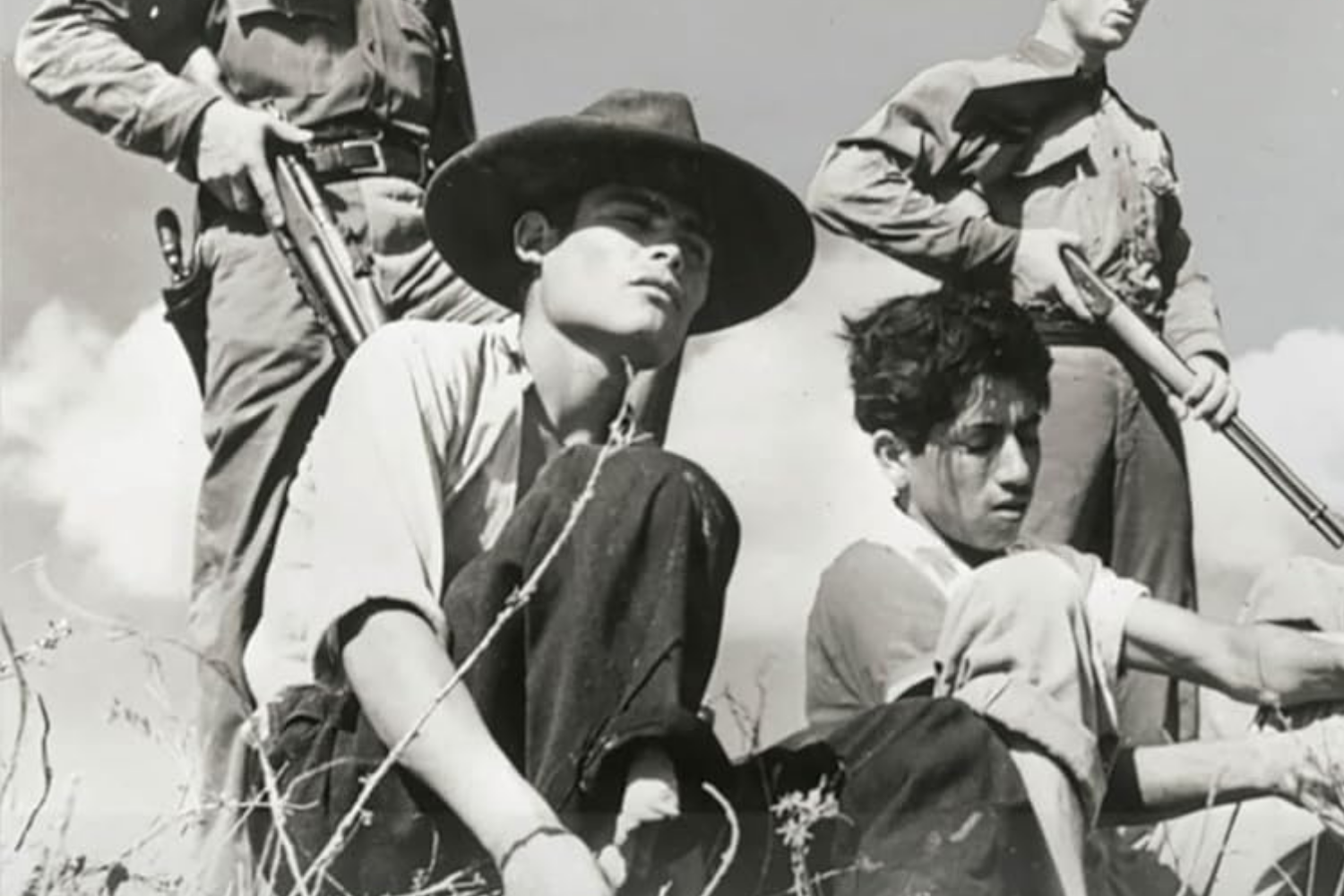
Migration, Labor, and the Natural World
Historians Eladio Bobadilla and Mary E. Mendoza present new scholarship on the US-Mexico borderlands and mass migration, in a conversation moderated by Irvin Ibarguen. Bobadilla unearths the relation of Mexican-Americans to the immigrant rights movement, both as supporters and detractors. Mendoza shows the border as a crossing not just for migrants but for cattle, fruit flies, lice, and other non-human life forms, revealing how modern border-controls emerged in response to varied cross-border movements
[Book Cover Detail: Dangerous Migration, U. Illinois Press]
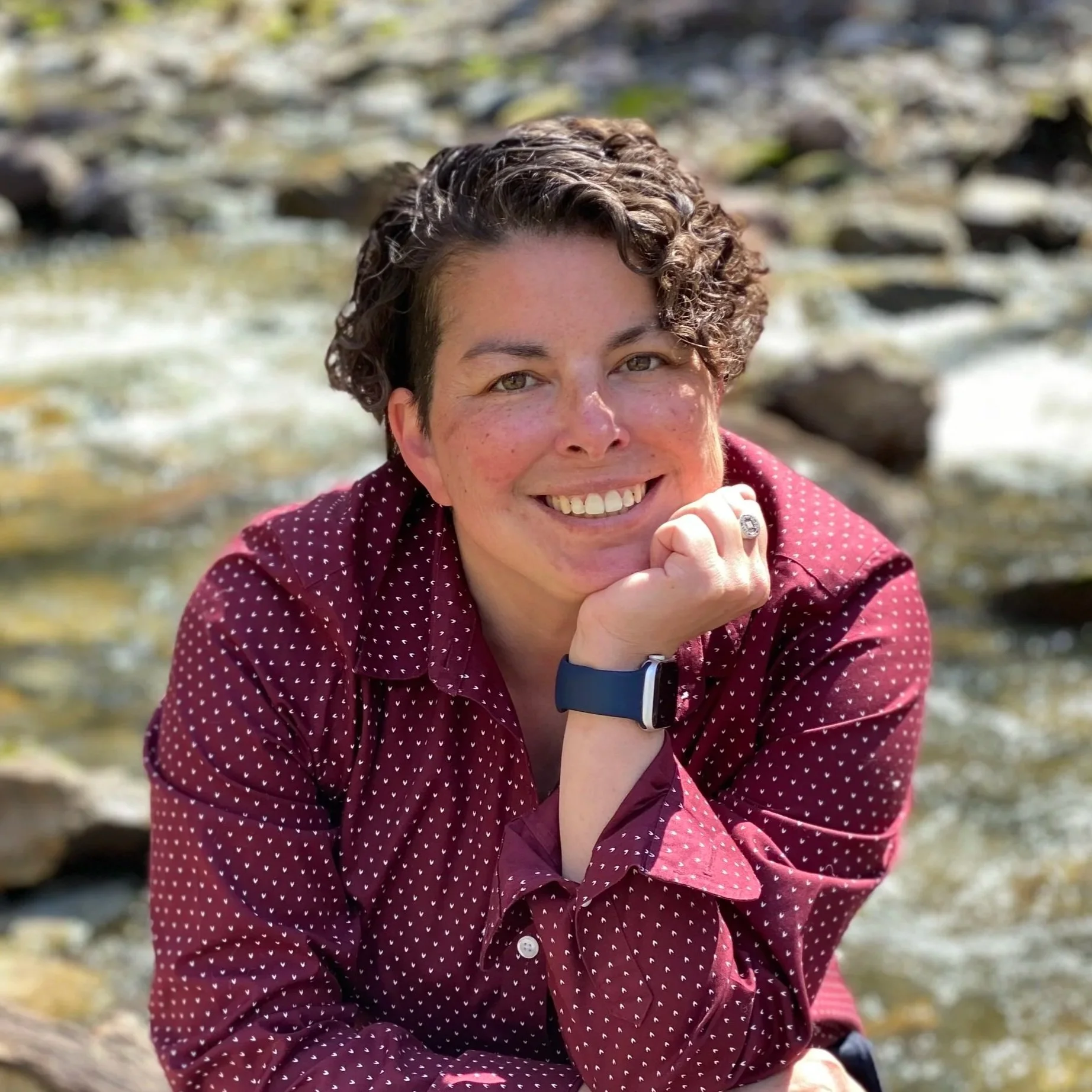
Mary E. Mendoza is an Assistant Professor of History and Latino/a Studies at Penn State University. Her new book, Deadly Divide: How Insects, Pathogens and People defied the U.S.-Mexico Border (UNC, April 2026),explores the intersections between the natural and built environments along the boundary between the United States and Mexico. She is also the co-editor of Not Just Green, Not Just White: Race, Justice, and Environmental History (Nebraska, 2025), an anthology on race and environment. She has received major grants and fellowships from an array of organizations, including the National Science Foundation, the Smithsonian, the Ford Foundation, the Huntington Library, and the Woodrow Wilson Foundation.
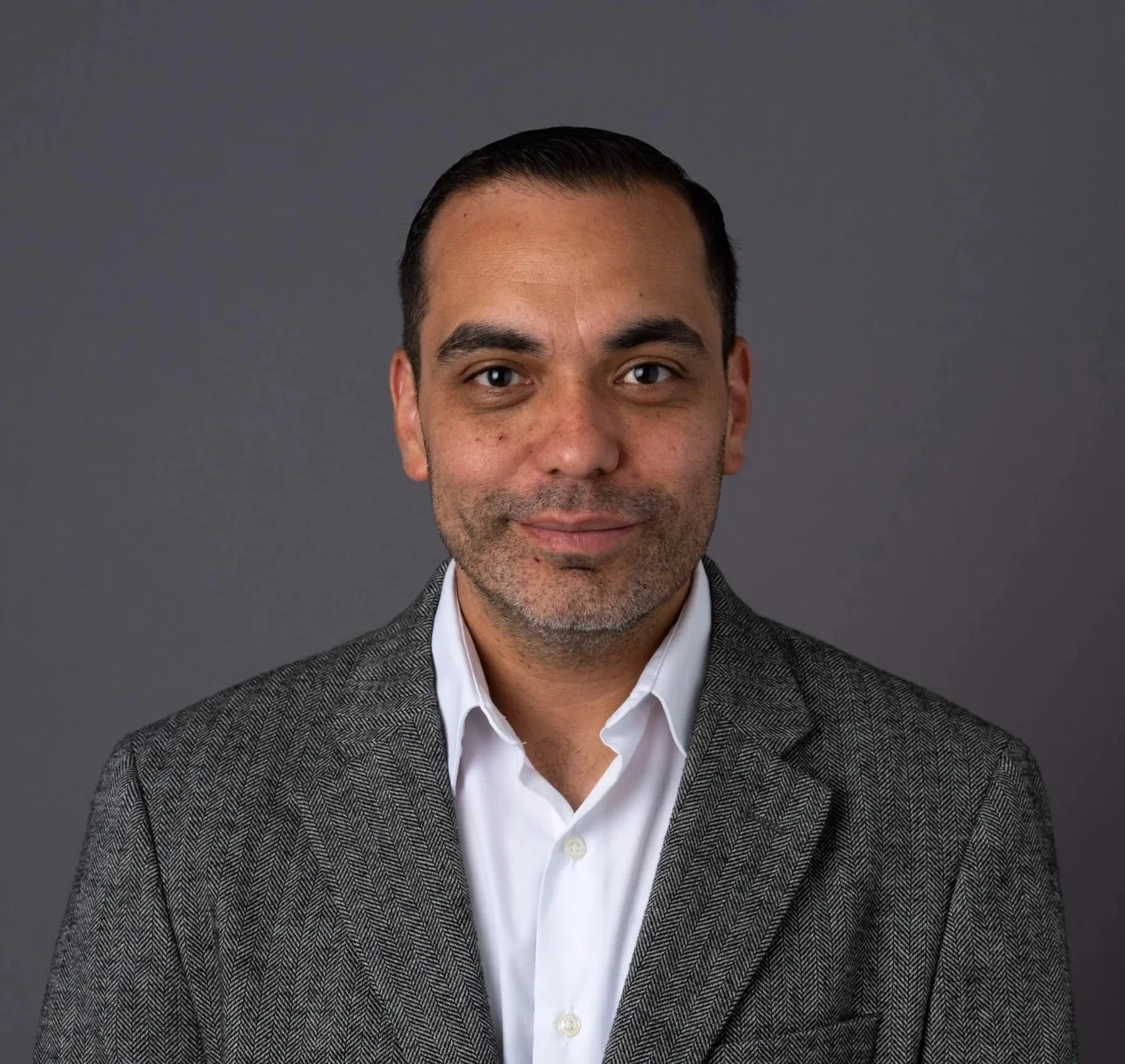
Eladio Bobadilla research explores how ordinary and working-class people have challenged systems of power, built communities, and imagined more just futures, as well as how liberatory and reactionary movements have shaped one another throughout U.S. history. His first book, Dangerous Migration: Mexican Labor and the Fight for Immigrant Rights (University of Illinois Press, 2026), traces the development of the modern immigrant rights movement alongside the rise of nativist politics, examining the historical tensions surrounding Mexican migration, labor, and solidarity. His scholarship has appeared in academic publications and public-facing outlets, including The Washington Post, Time, and The Progressive. He holds a Ph.D. in history from Duke University. His current research examines the histories of community armed defense and soccer supporter culture in the United States.
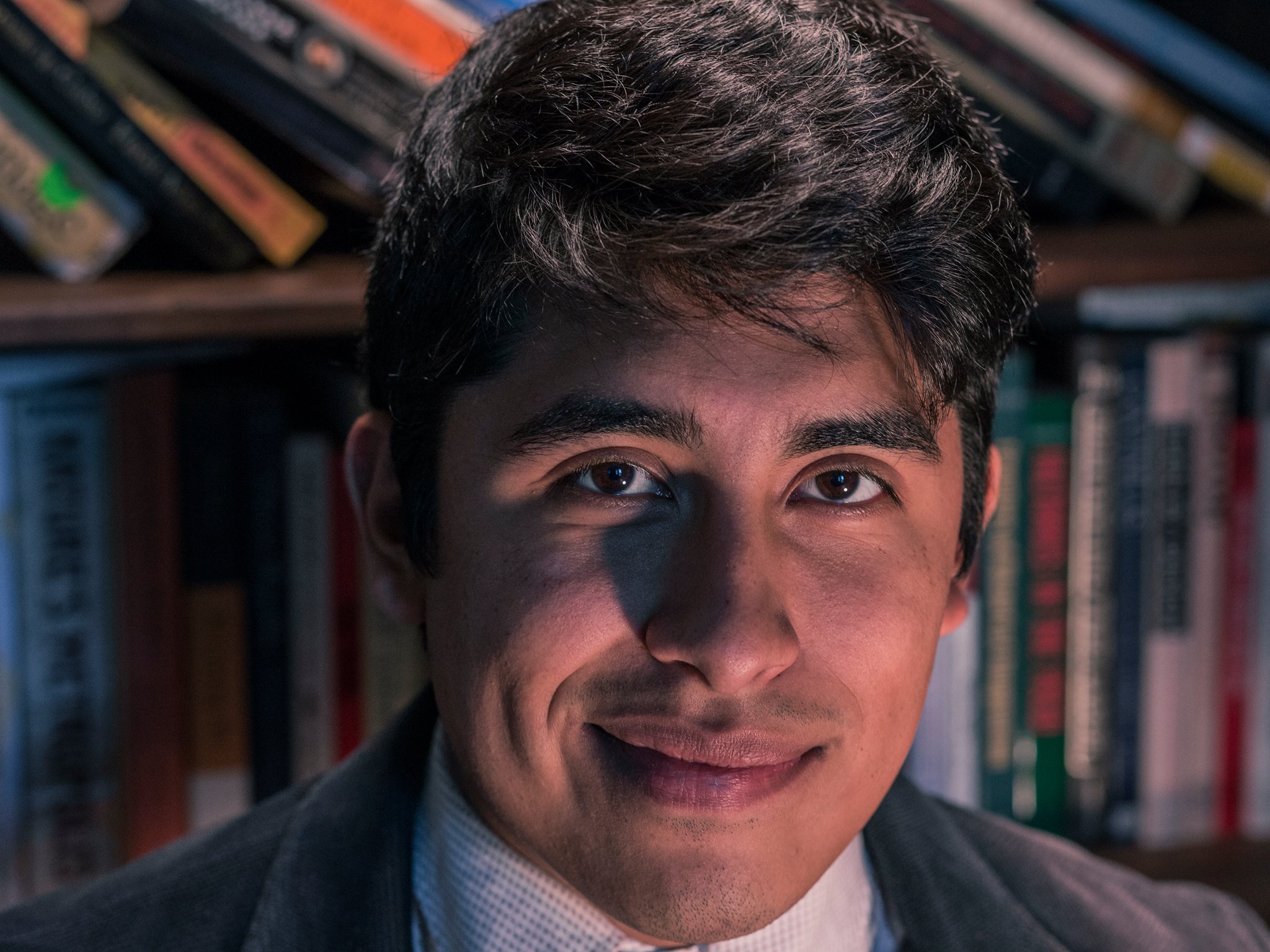
Irvin Ibarguen is an assistant professor of history at New York University where he specializes in the history of Latino migration. His first book is titled Caught in the Current: Mexico’s Struggle to Regulate Emigration, 1940-1980, and was published in 2025 with UNC Press in the David J. Weber Series in the New Borderlands History. At the 2026 International Latino Book Awards it was recognized with a Gold Medal in the ‘Best History Book’ category. He is at work on a second book project titled True North: The Uncertain Paths of Guatemalan Migrants, 1976-1996, under contract with Stanford University Press. Rather than assume the US as the default destination for migrants, it follows the multi-directional journey of Guatemalans displaced by civil war, as they settled and resettled in the margins of Mexican territory.
Counterhistories of Latinx Social Media
Join us December 4 for the panel discussion Counterhistories of Latinx Social Media. The program is moderated by Urayoán Noel and marks the launch of his new book Virtually Latinx: Identities in the Age of Social Media (University of Texas Press) which shows how historically marginalized Latinxs—including Black, Trans, undocumented, and disabled people—have used digital platforms to challenge hegemonic Latinidad and to build alternatives communities.
About the Book
In the first-ever study of Latinx social media, Urayoán Noel shows how historically marginalized Latinxs—including Black, Trans, undocumented, and disabled people—have used digital platforms to challenge hegemonic Latinidad and to build alternatives communities.
Incorporating elements of history, ethnography, and performance studies, Virtually Latinx traces the evolution of Latinx social media and blogging since the early 1990s, focusing on creative movements and vocabularies emerging and consolidating online. From Chicano/LatinoNet, Latina Lista, and Remezcla, to activists and performers on TikTok, online creators and platforms have spurred modes of art and activism that counter both Latinidad’s essentialized body politics and Big Tech’s domination of the information sphere. In dialogue with scholars of media, virtuality, and identity, Noel theorizes how hashtags like #Afrolatina, #Latinx, and #Latine have not only facilitated online exchange but also nurtured new knowledge formations surrounding Black, feminist, undocuqueer, Trans, and disability poetics and politics. Click to learn more and purchase the book.
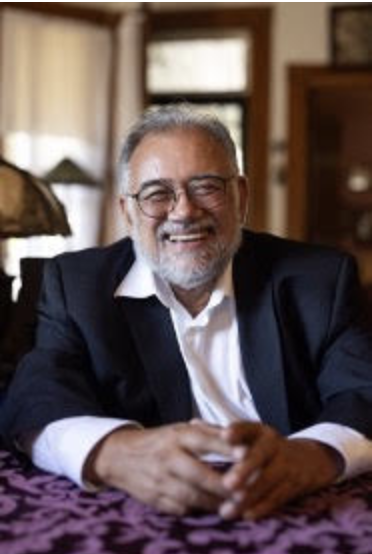
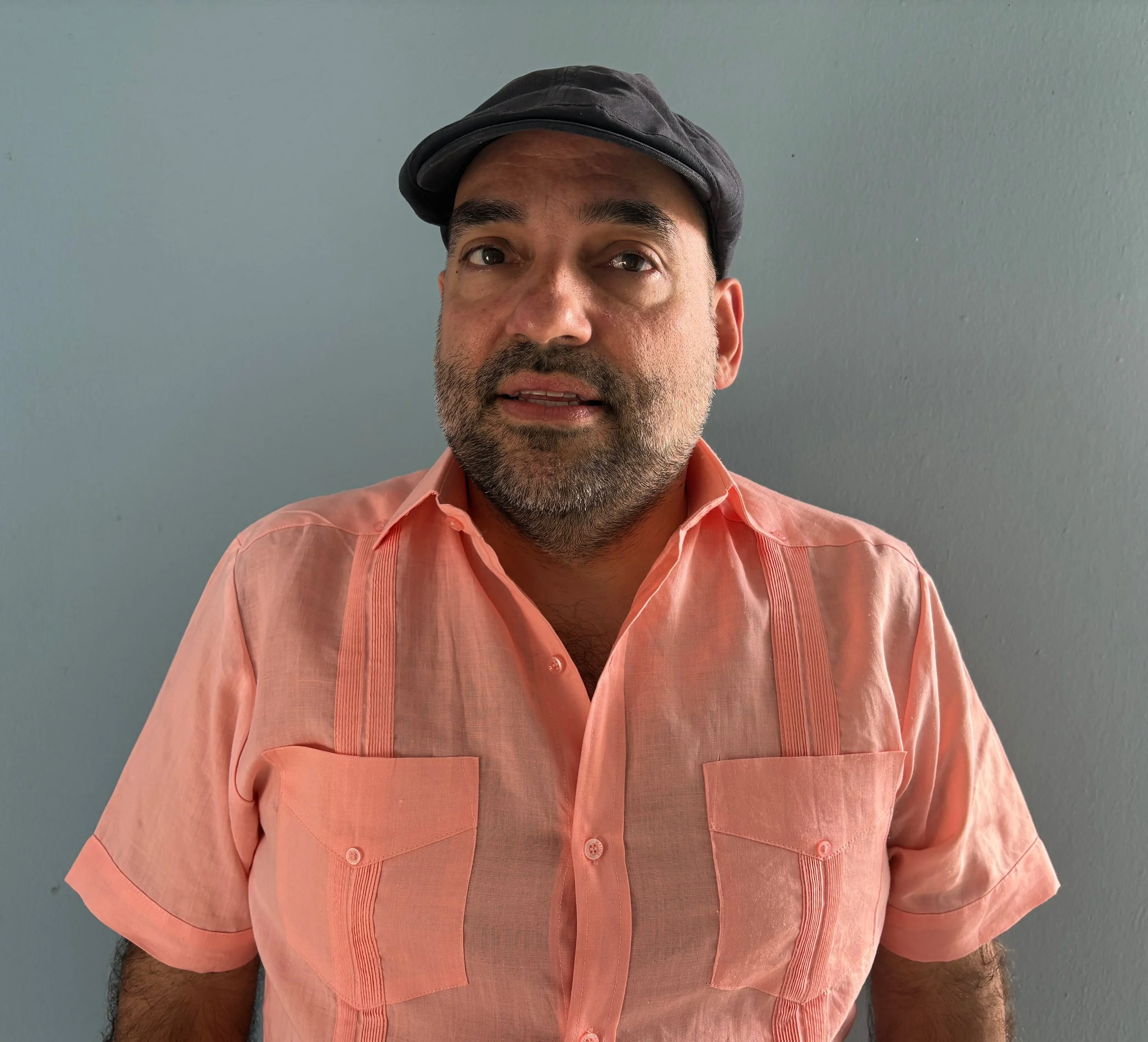
Richard Chabrán is a distinguished librarian, digital inclusion advocate, and scholar who has spent his career preserving and documenting Chicana and Latino histories. He is widely recognized for building foundational resources for ethnic studies and leading efforts to bridge the digital divide. Chabrán received his BA in Anthropology and Master of Library and Information Studies from the University of California, Berkeley. He led the development of two internationally recognized Chicano collections at the University of California at Berkeley and UCLA. He served as the director of the Center for Virtual Research, University of California, Riverside where he developed a community technology center. He led the development of the Chicano Periodical Index; The Chicano Thesaurus; The Latino Encyclopedia and Chicano LatinoNet (CLnet). For 20 years he taught at the School of Information at the University of Arizona, working closely with their Knowledge River Program. Chabrán's decades-long dedication to systemic equity has earned him high-profile honors from major professional institutions.
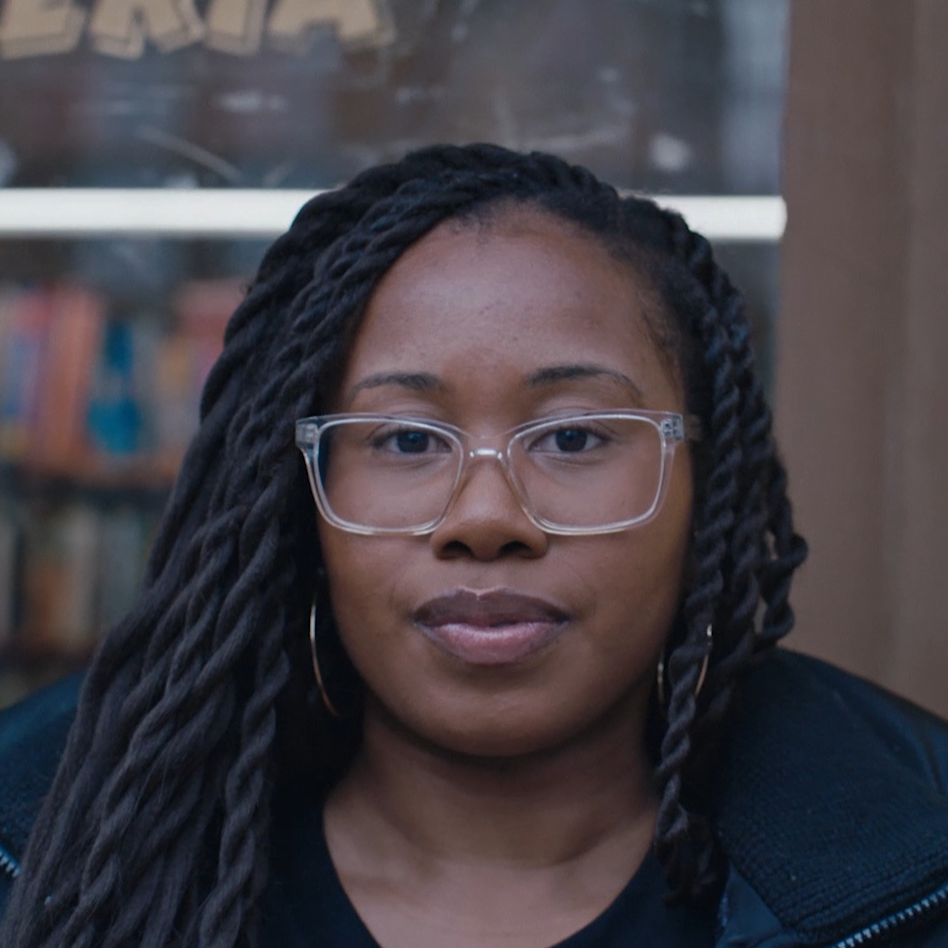
Janel Martinez is a writer and the founder of the award-winning blog, Ain't I Latina?, an online destination celebrating Afro-Latinx womanhood. The Bronx, NY native is a frequent public speaker discussing media, culture, and identity at conferences and events for Bloomberg, SXSW, Harvard University, and more. She’s appeared as a featured guest on national shows and outlets, such as MS NOW's The Culture Is: Latina, BuzzFeed, ESSENCE, NPR, and Sirius XM, and her work has appeared in Adweek, Univision Communications, Oprah Daily, Refinery29, Remezcla and The New York Times, among others. Martinez received the Afro-Latino Festival of New York's Digital Empowerment Award and, in 2018, was recognized at City Hall by the New York City Council, the Black, Latino and Asian Caucus and the Bronx Delegation to the NYC Council for her contributions as a woman of Garifuna descent. She penned "Abuela's Greatest Gift" in the YA anthology, Wild Tongues Can't Be Tamed, published by Flatiron Books.
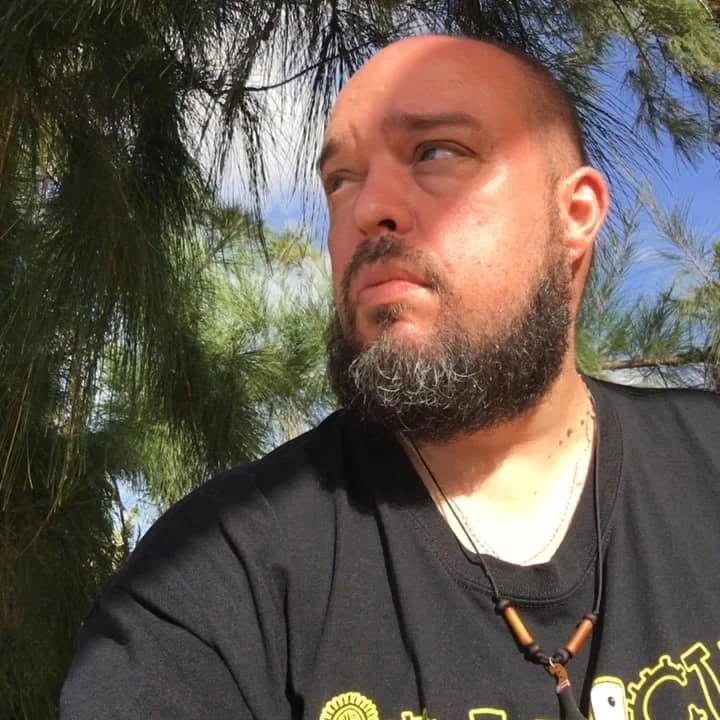
George Torres, the “Urban Jíbaro,” is a digital storyteller, strategist, and the founder of Sofrito For Your Soul, one of the earliest Latino cultural storytelling platforms on the web. Launched in 1997 on GeoCities, it helped lay the groundwork for what Latinx social media would become. He is widely recognized as the first Latino blogger and co-created Capicu Culture, the poetic arts showcase, and its companion podcast, Radio Capicu. Over a 30-year career in digital media, George produced segments of the largest Latino social media conference ever held, which ran for about eight years. Today he is the founder of Siembra Connect, a creator education platform for storytellers, small business owners, and community leaders of color, with a curriculum that addresses creators’ mental health.
Urayoán Noel is Associate Professor of English and Spanish and Portuguese at New York University, and has also taught at SUNY Albany and at Stetson University's MFA of the Americas. He is the author of In Visible Movement: Nuyorican Poetry from the Sixties to Slam (Iowa, 2014), the first book-length study of Nuyorican poetry, which received the LASA Latino Studies Section Book Prize and the MLA Prize in United States Latina and Latino and Chicana and Chicano Literary and Cultural Studies Honorable Mention. He has also published several books of poetry, including Buzzing Hemisphere/Rumor Hemisférico (2015) and Transversal (2021), both with the University of Arizona Press, the latter of which was a New York Public Library Book of the Year and was longlisted for the PEN Open Book Award. Noel has been a finalist for the National Translation Award and the Best Translated Book Award for his translations of Latin American poetry, and he is currently a translator for The Puerto Rican Literature Project (PLPR).
This program is co-sponsored by NYU English. Additional support is provided by CLACs.
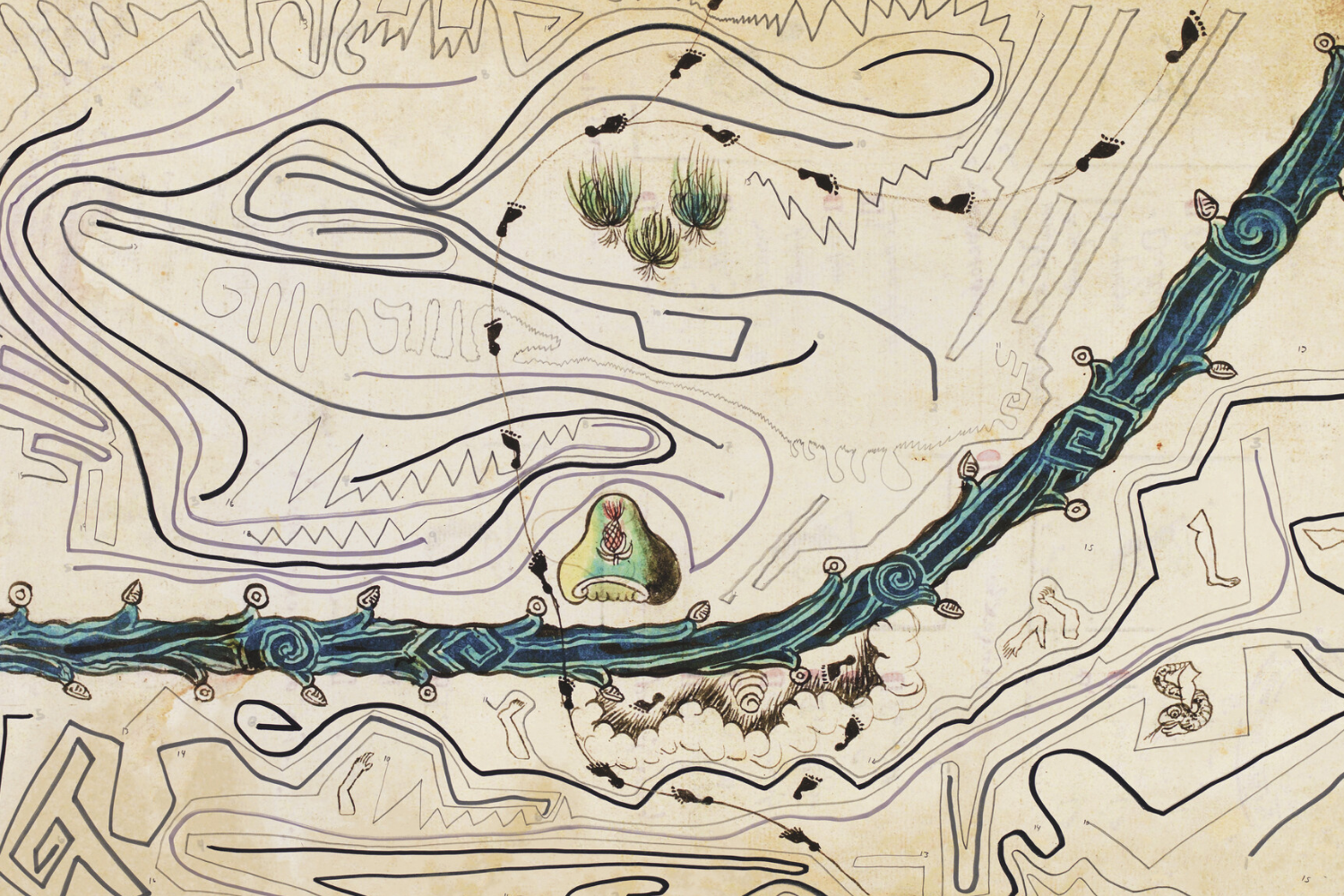
New Perspectives on Latinx Art
Join us for a conversation with four scholars of Latinx art and culture who are expanding the art historical canon and traditional aesthetics through innovative methodologies. The panel is convened on the occasion of the publication of new books in the field of Latinx art history and visual studies in which the authors center previously marginalized voices and non-traditional archives in their creative, interdisciplinary scholarship. Speakers include Josh T. Franco, Robb Hernández, and Kency Cornejo, and Arlene Dávila moderates the conversation.
This event is co-presented by The Latinx Project and Whitney Museum of American Art. It is the second program in The Latinx Project’s ongoing series highlighting new scholarship in the field of Latinx Studies.
[Artwork: Guadalupe Maravilla]
Kency Cornejo is an art historian of contemporary art and activism in the Americas, currently serving as Associate Professor in the Department of Chicana/o & Central American Studies at the University of California, Los Angeles (UCLA). In 2024, she published the critically acclaimed book Visual Disobedience: Art and Decoloniality in Central America from Duke University Press.
Josh T Franco, PhD, is an artist, art historian, and Executive Director of the US Latinx Art Forum. His primary medium is the discipline of art history itself. Using performance and a variety of materials, he transforms the components of being an art historian—reading, writing, annotating, sketching, lecturing, looking, museum-going, archival research, and so on—into artworks appropriate for museum-going audiences. His book, Marfa, Marfa: Rasquachismo and Minimalism in Far West Texas was published by Duke University Press and supported by a Terra Foundation for American Art Publication Grant.
Robb Hernández is Professor of English at Fordham University, where he directs the Fashion Studies Minor. Recent publications include Transplanetary Americas: Art, Outer Space, and the Latinx Imagination from Duke University Press and Archiving an Epidemic: Art, AIDS and the Queer Chicanx Avant-Garde from NYU Press. He is the curator of the exhibition The Chicano Manual of Style: Fashion in Paper and Print scheduled to open at Print Center New York in 2027.
Arlene Dávila is a Professor of Anthropology and American Studies at New York University. She’s the author of multiple books on Latinx visual culture, most recently, Visualizing Latinx: Creative Practices in Fashion, Film, and Beyond, published by Duke University Press. She is the Founding Director of The Latinx Project at NYU.
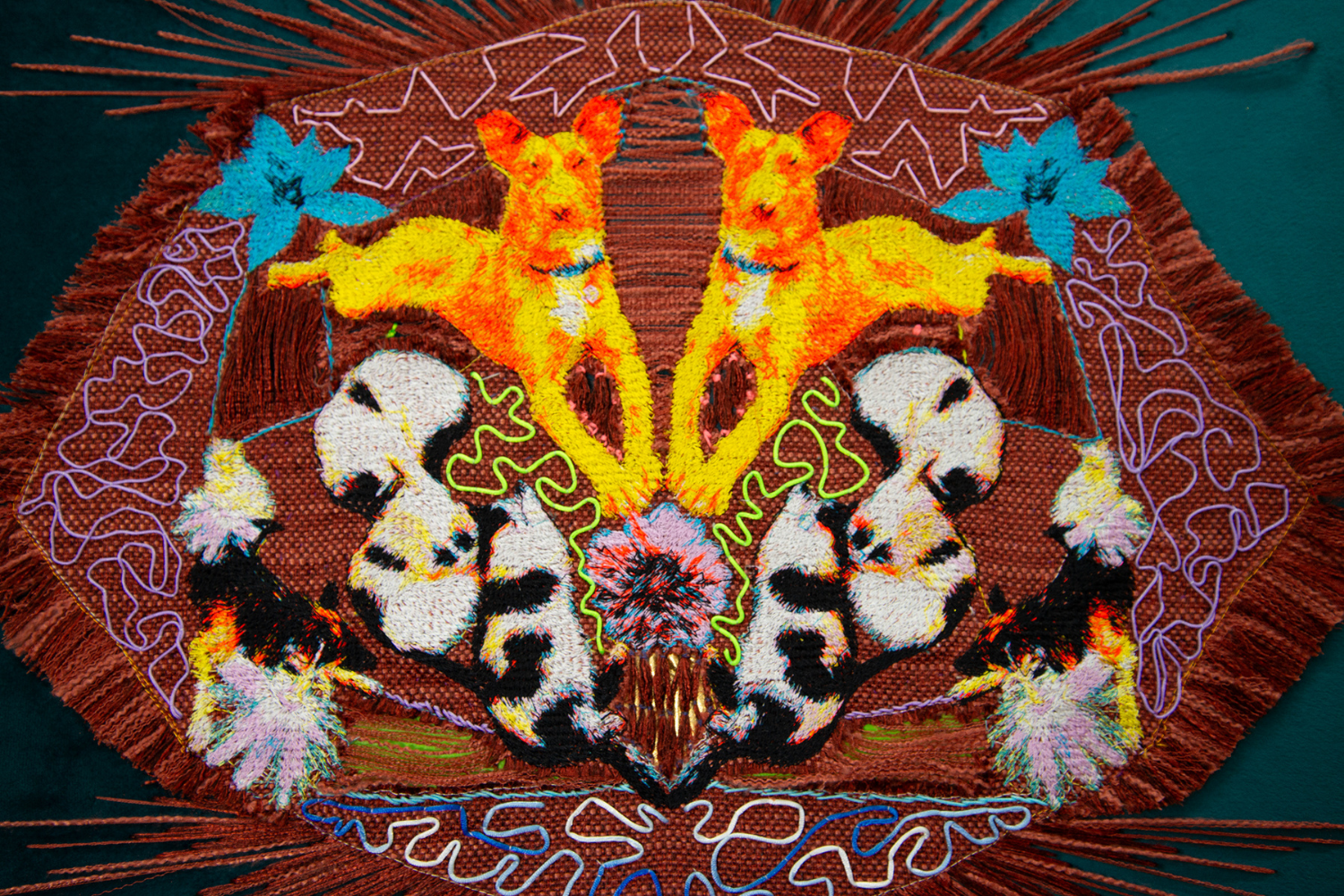
Crossing Relations: Exhibition Closing
Join us for a final open house marking the close of our fall exhibition Crossing Relations: Migrations and Possible Worlds. Light refreshments and sweets will be provided.
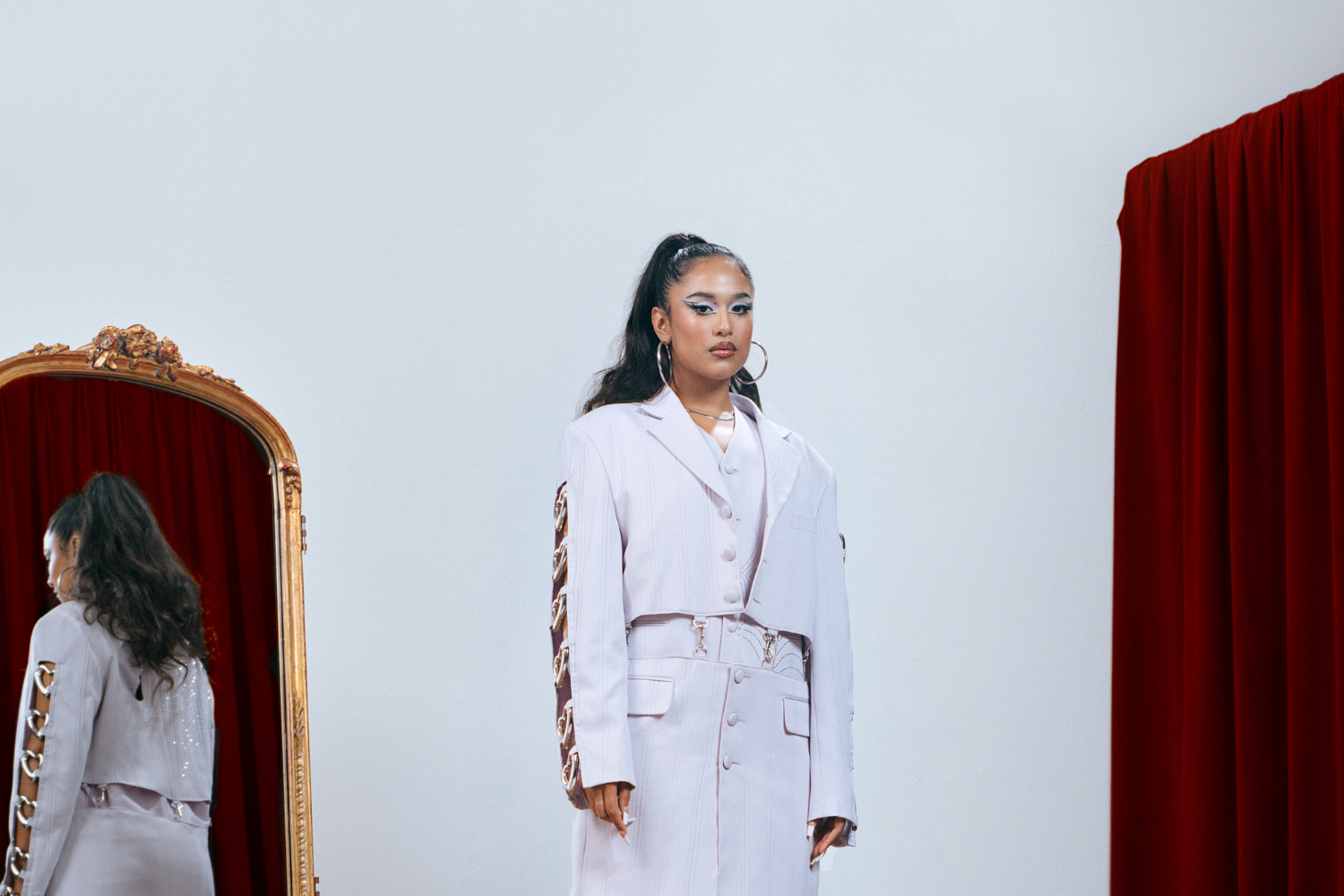
Visualizing Latinx: Creative Practices in Fashion, Film, and Beyond
Join a discussion of Visualizing Latinx: Creative Practices in Fashion, Film, and Beyond by Prof. Arlene Dávila at the Ford Foundation Center for Social Justice. This event highlights contemporary Latinx creators who challenge systemic erasure and transform society on their own terms by approaching their work with purpose, intention, and style.
The panel features Brownsville artist Josué Ramírez (Rawmirez), fashion editor Keyla Marquez, filmmaker Alex Rivera, and academic leader Yomaira Figueroa. Together, they will discuss their interdisciplinary practices and explore the transformative power of Latinx visual culture. Reception to follow and signed copies of Visualizing Latinx are available, subject to availability.
[Image: Lujo Depot, styled by Keyla Marquez]
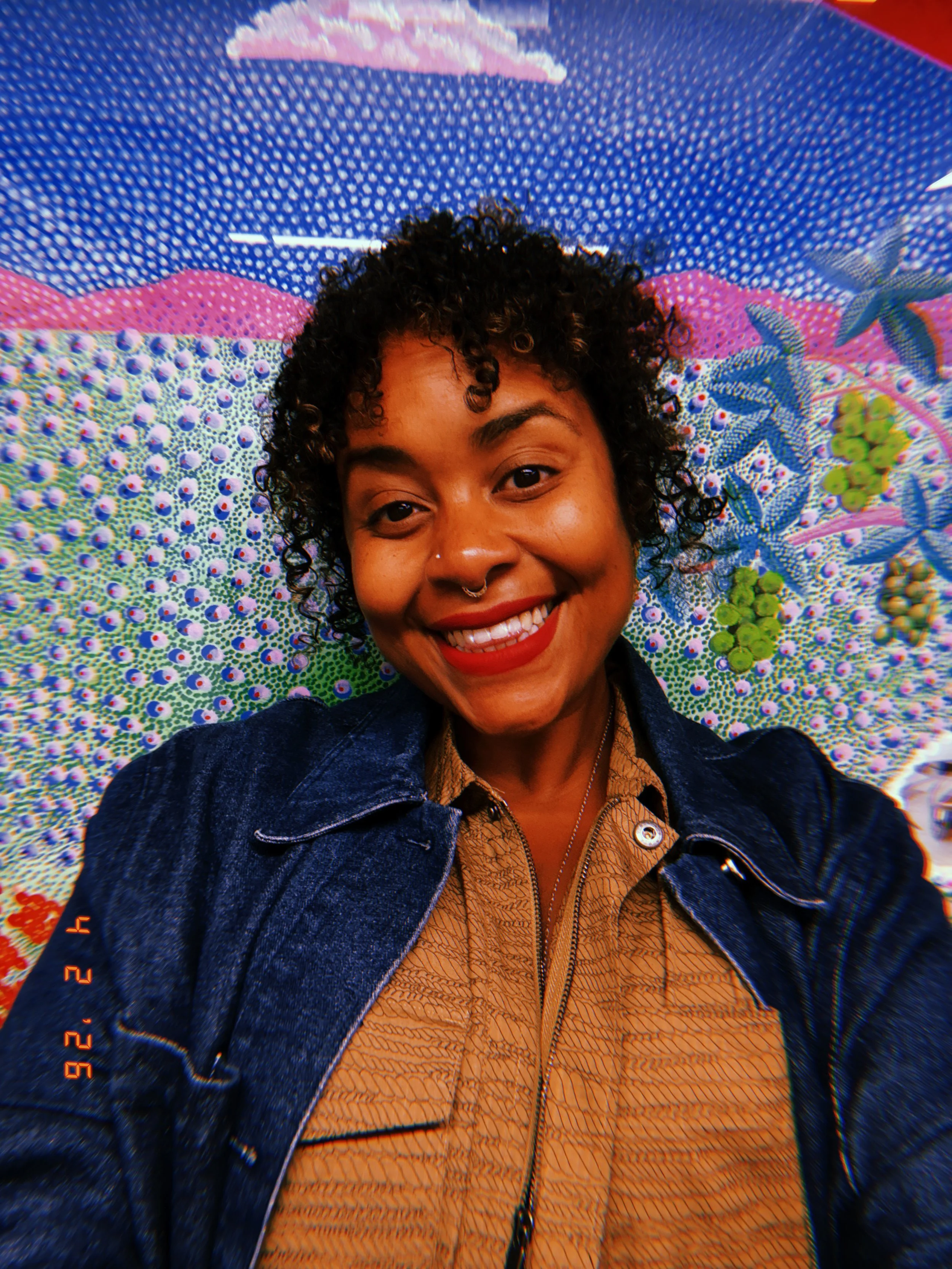
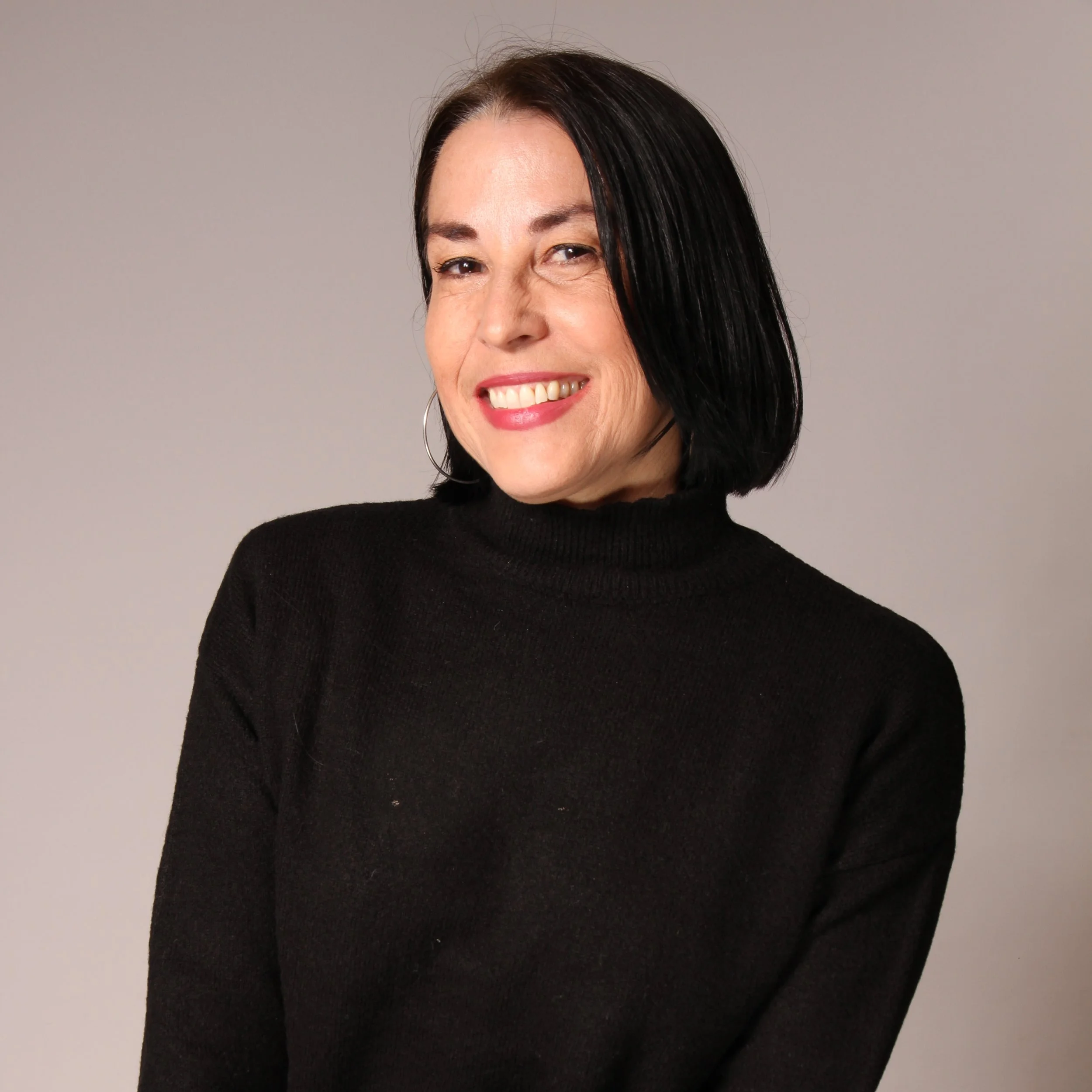
Yomaira C. Figueroa-Vásquez is an Afro-Puerto Rican writer, teacher, and scholar from Hoboken, NJ. She is Professor of Africana, Puerto Rican, and Latino Studies and is the Director of the Center for Puerto Rican Studies (CENTRO) at CUNY Hunter. She is the author of the award-winning book Decolonizing Diasporas: Radical Mappings of Afro-Atlantic Literature (Northwestern University Press, 2020; translation, Editora Educación Emergente, 2023), and the book, The Survival of a People (Duke University Press, forthcoming). Her published work can be found in Hypatia, Decolonization, CENTRO Journal, Small Axe, Frontiers Journal, Hispanofila, Contemporânea, Diálogos, and Feminist Formations.
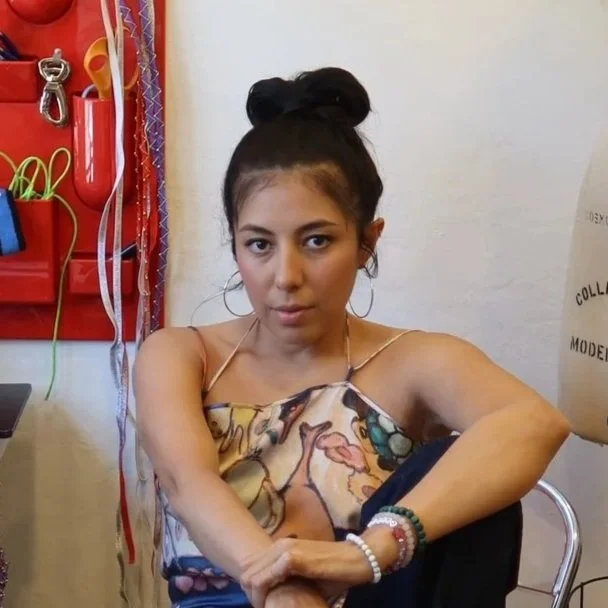
Keyla Marquez is a Los Angeles native, born in El Salvador, whose work sits at the vibrant crossroads of fashion, culture, and storytelling. As the Fashion Director-at-Large for LA Times Image magazine, a fashion stylist, and creative consultant, Marquez brings an instinctive eye for style and narrative featured in numerous editorials, music videos, runways, commercials, television, short films, and campaigns. Rooted in her Los Angeles upbringing, Marquez committed to spotlighting historically marginalized voices, using fashion as a language to tell stories that are bold, authentic, and unapologetically human.
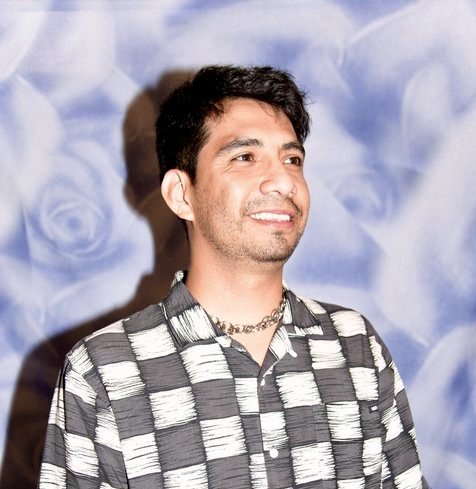
Josué Ramirez or Rawmirez (he/him) is a queer multidisciplinary artist and advocate practicing along the frontera in the Rio Grande Valley. With over a decade advocating for fair housing and community development, he is the Co-founder and Director of Trucha, a multimedia organization dedicated to the people, culture, and grassroots movements of the region. Rawmirez's artwork is part of the “Cheech” Collection at the Riverside Museum of Art and the MexicArte collection and his work has been shown nationally.
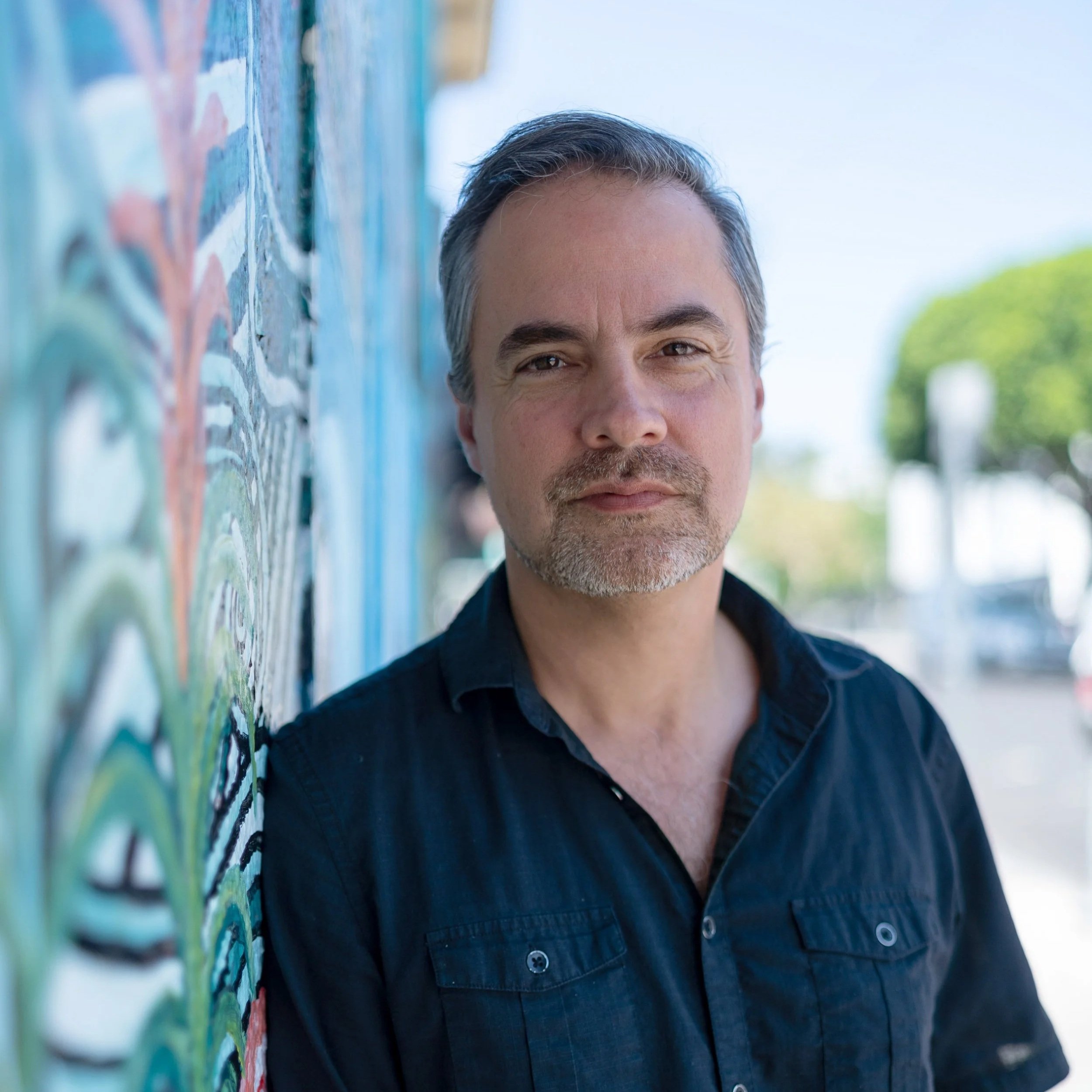
Alex Rivera is an award-winning filmmaker whose work explores themes of globalization, migration, and technology. His films, Sleep Dealer and The Infiltrators, are highly acclaimed and have won multiple awards. Rivera’s work has been supported by the Ford Foundation, Creative Capital, the Open Society Institute, and many others. He is a 2021 MacArthur Fellow and an Associate Professor of Filmmaking Practice at ASU's Sidney Poitier New American Film School.
Arlene Dávila is a Professor of Anthropology and American Studies at New York University, and is the author of Visualizing Latinx: Creative Practices in Fashion, Film, and Beyond (Duke University Press, 2026). She is the author of multiple books focusing on Latinx cultural politics spanning the media, urban politics, museums and contemporary art markets including Latinx Art: Artists, Markets and Politics (Duke University Press, 2020) and the founding director of The Latinx Project at NYU.
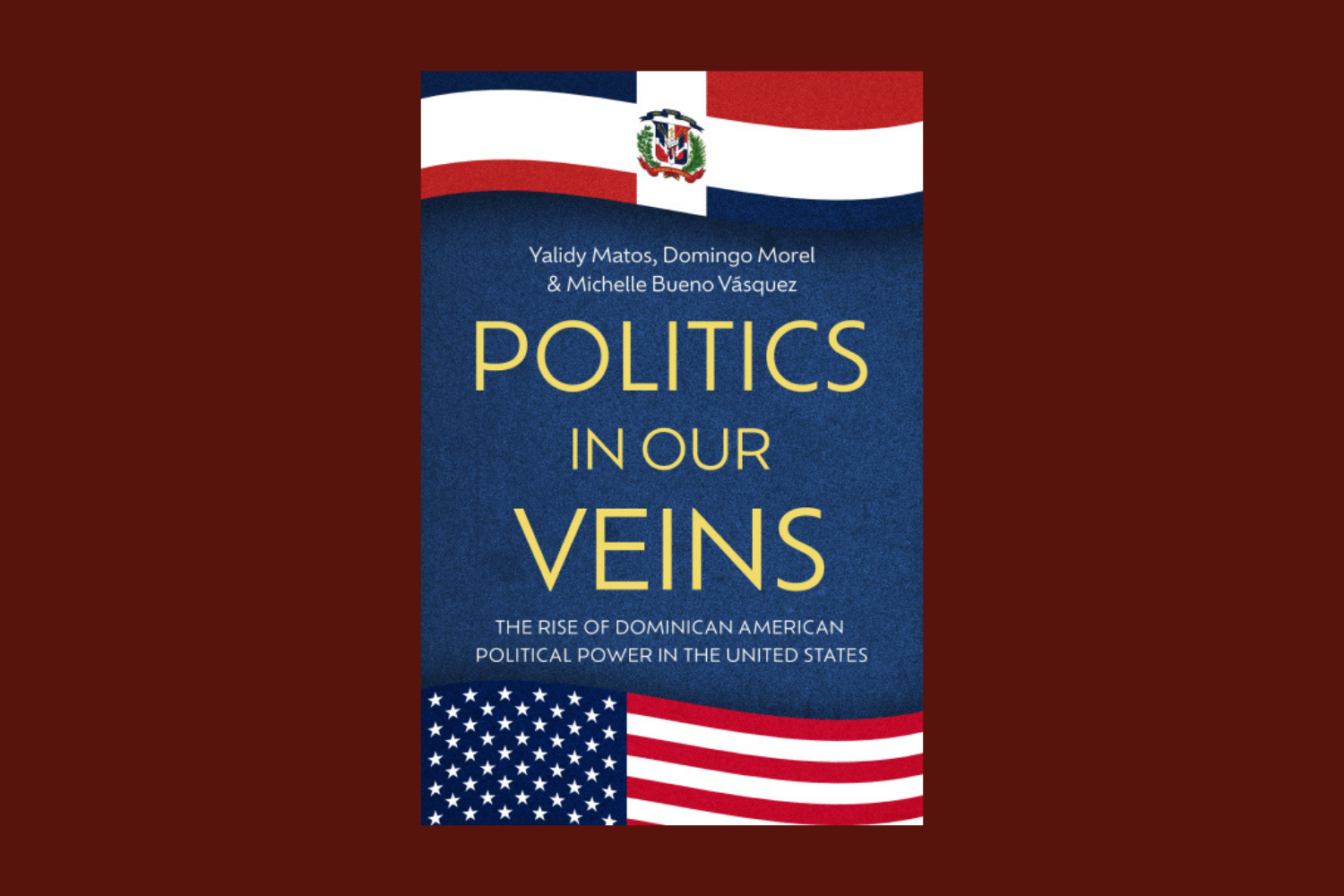
The Rise of Dominican American Political Power in the United States
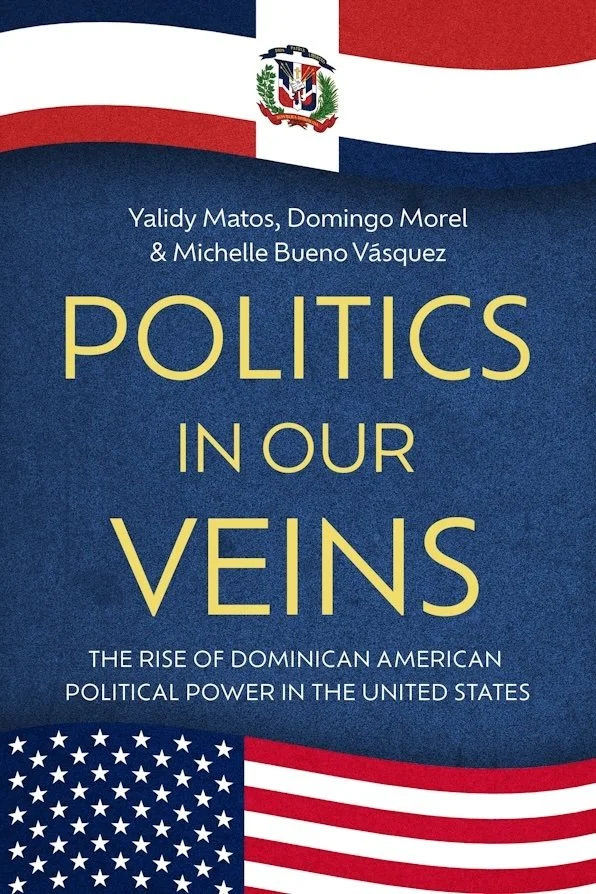
In Politics in Our Veins, Yalidy Matos, Domingo Morel, and Michelle Bueno Vásquez chart the rise of Dominican American political power across the United States, exploring the myriad factors that have contributed to their political success as thoughtful citizens, activists, and elected officials. On October 21, join us for a panel conversation marking the publication of the new book with the authors alongside Ramona Hernandez, Raquel Batista, and Cristina Beltrán. This event takes place at NYU Wagner (105 East 17th Street). Doors will open at 5pm, and the event begins at 5:30pm.
This event is organized by the NYU Wagner Graduate School of Public Service and co-sponsored by The Latinx Project.
About the Book
Dominican Americans are one of the largest and fastest-growing Latinx groups in the United States, with a population that has quadrupled from 517,000 to a little over 2.3 million as of 2023. While New York City is home to the largest Dominican community in the country—and is where most Dominican American elected officials (DEOs) are from—Dominican Americans continue to increase their representation nationwide. Learn more via NYU Press.
Panelists
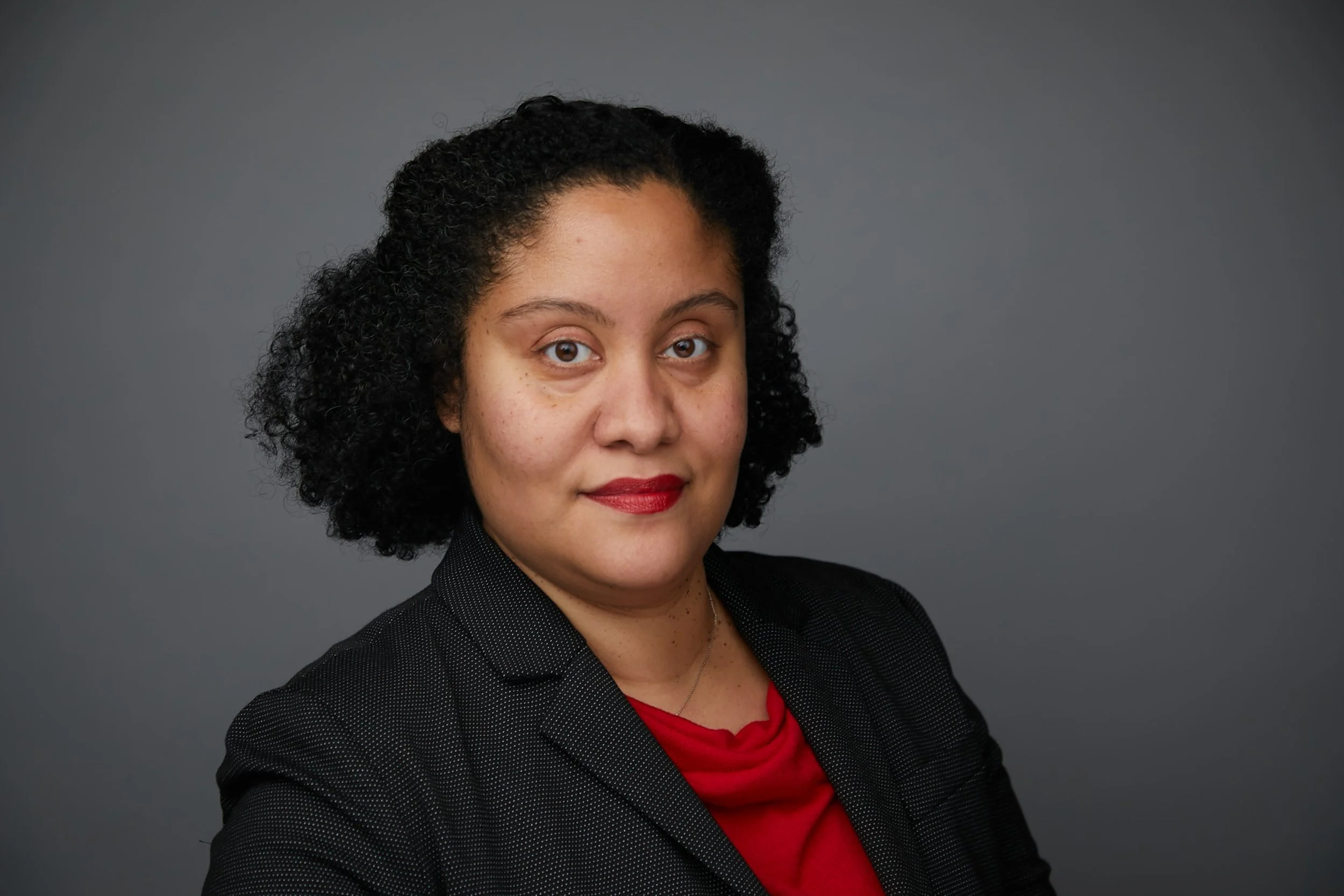
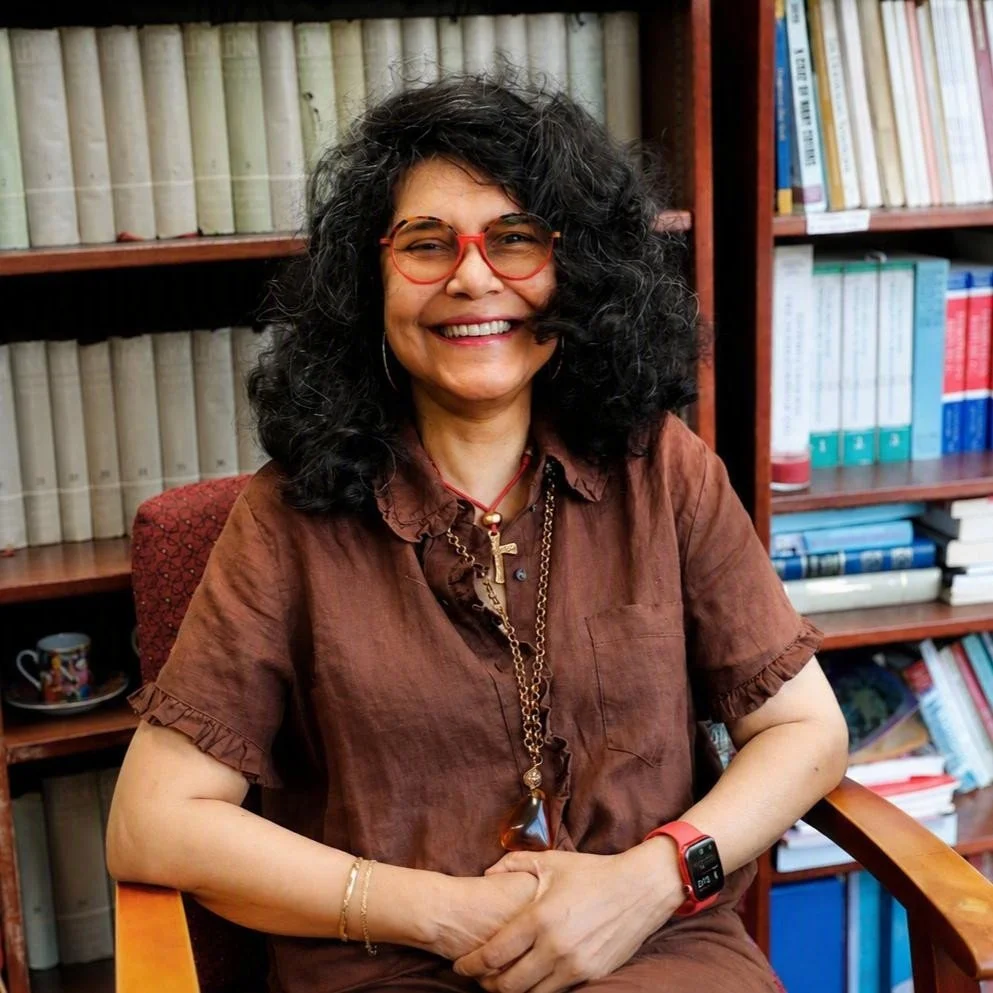
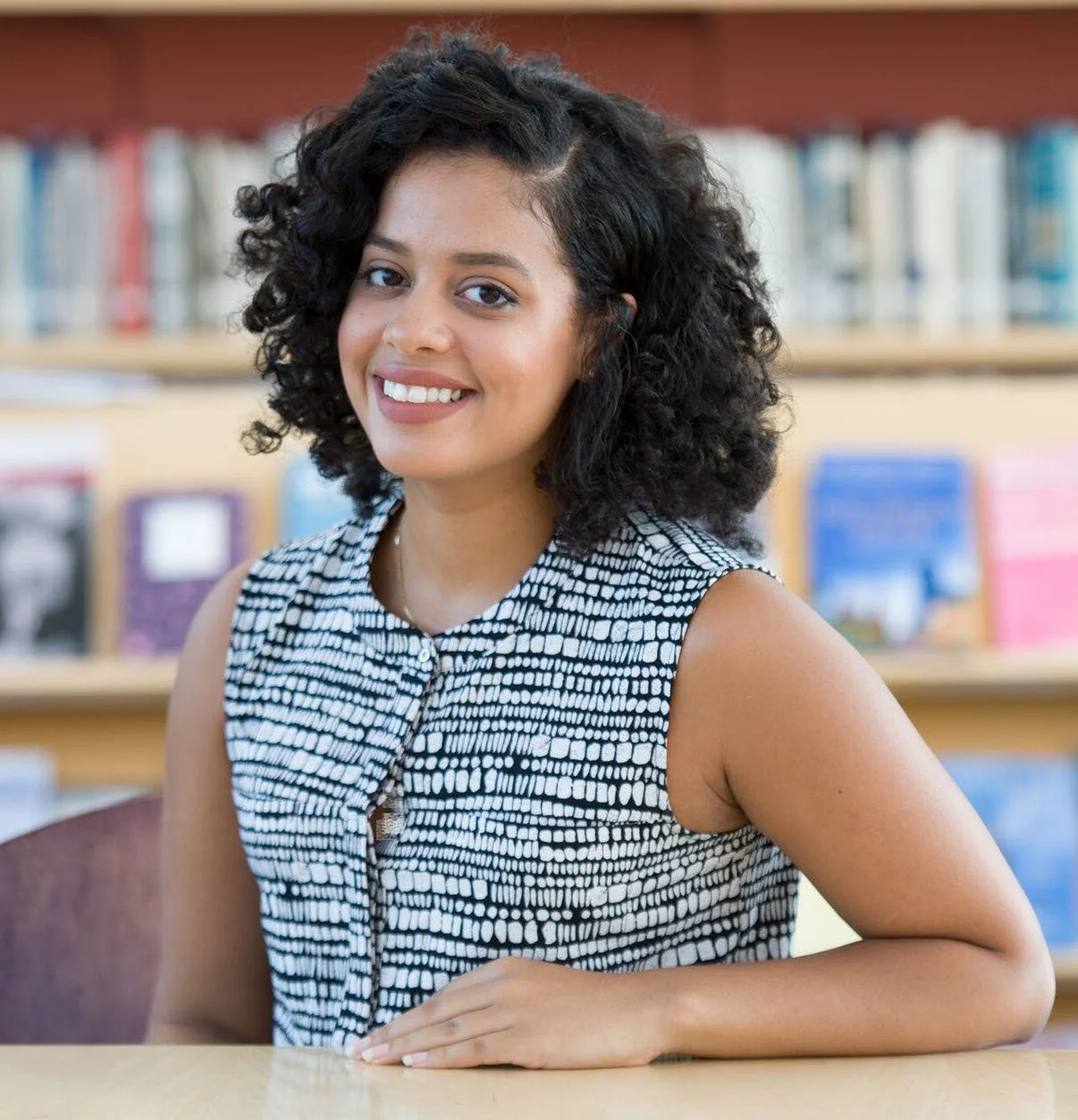
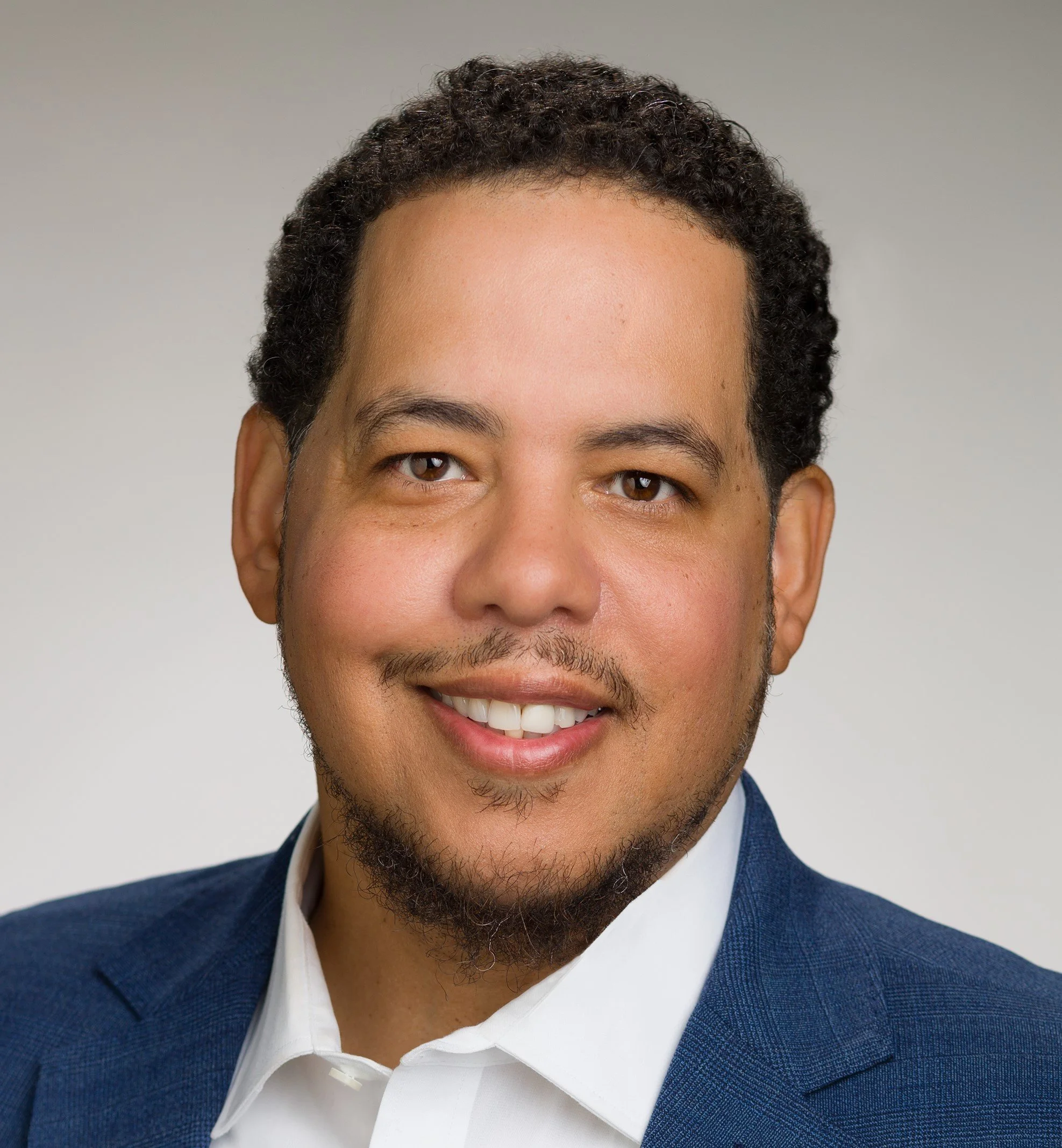
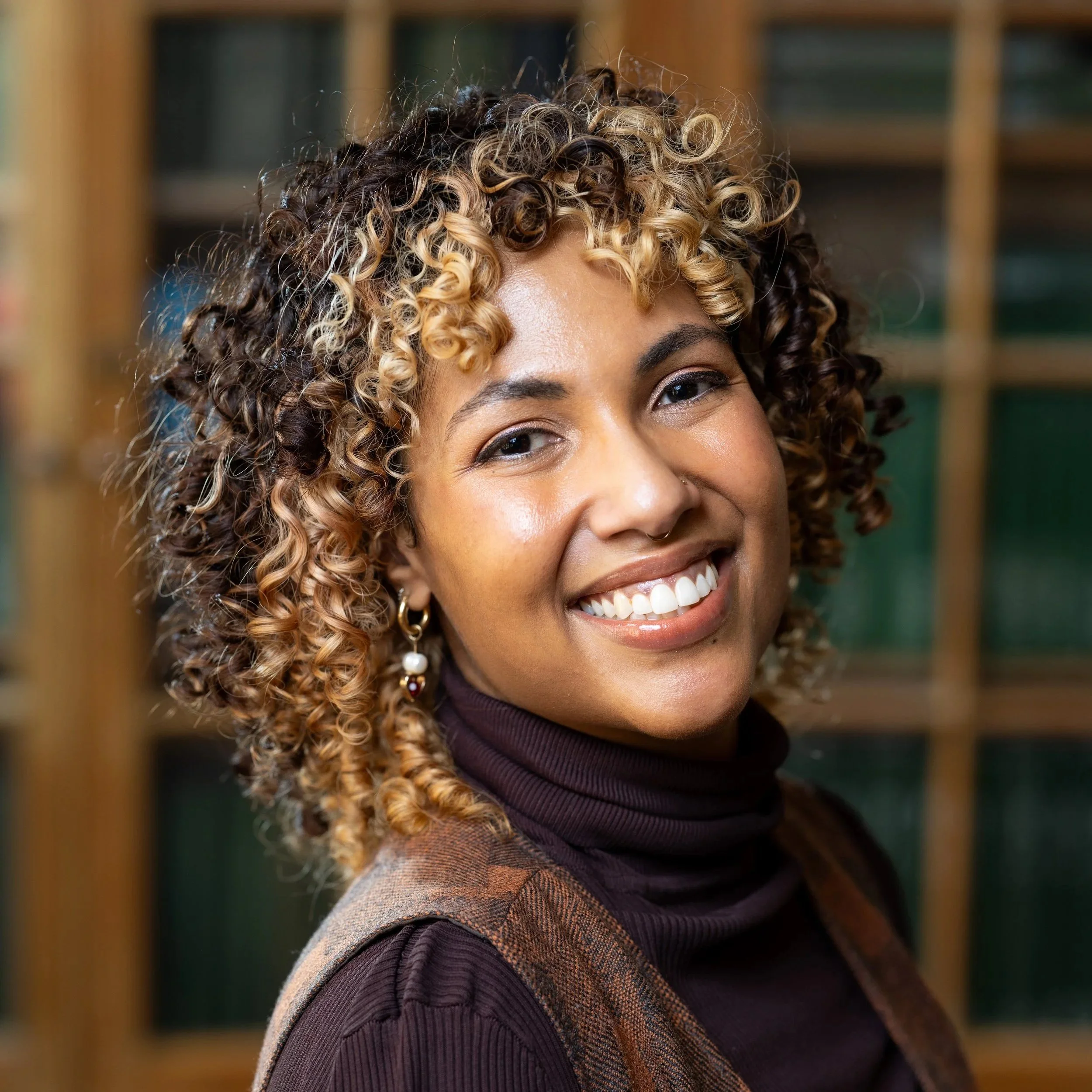
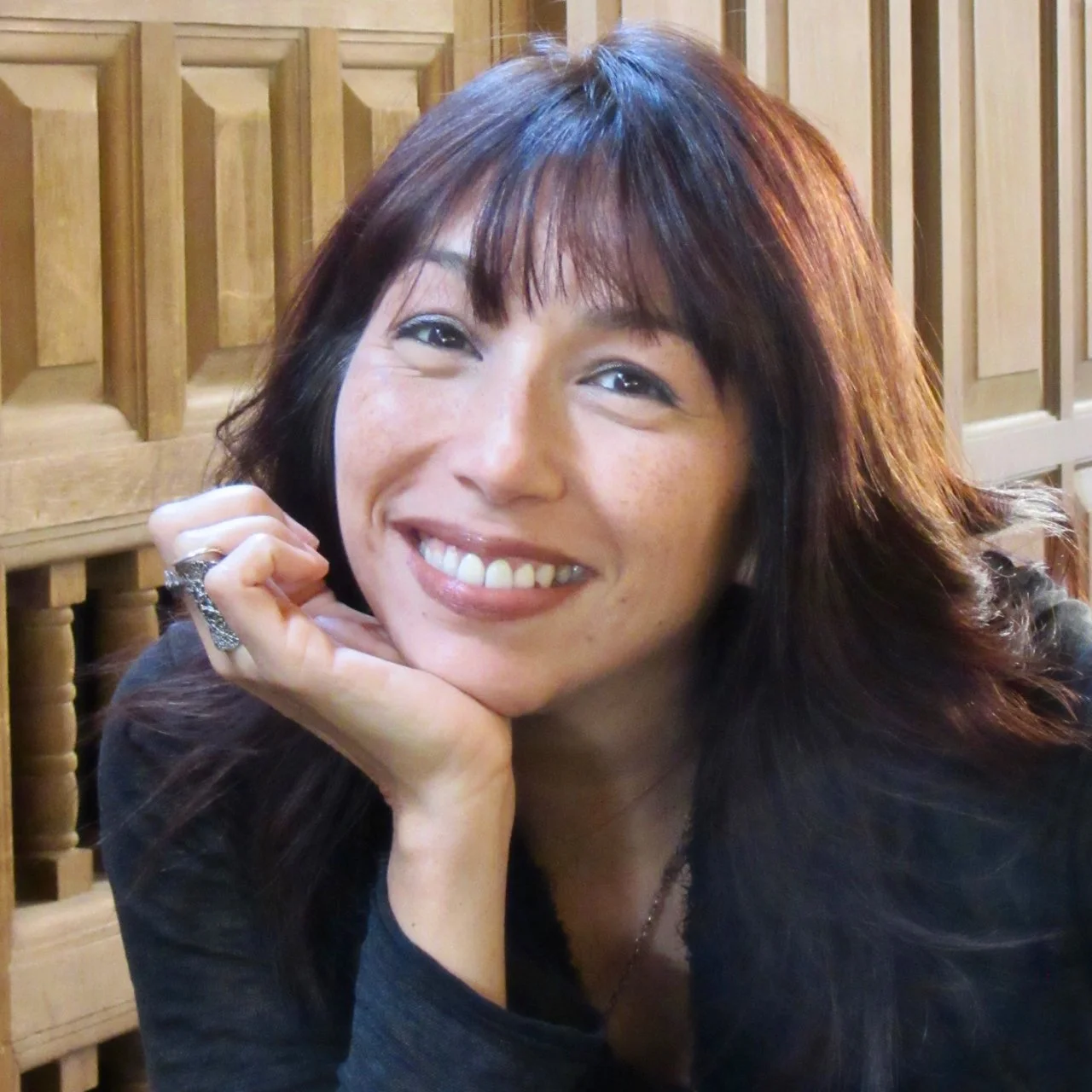
Raquel Batista is an experienced civil rights and social impact leader in government, corporate and non-profit spaces. She previously served as the Commissioner of the NYC Mayor’s Office of Immigrant Affairs, as Executive Director of the Northern Manhattan Coalition for Immigrant Rights and more recently at the New York City Asylum Application Center assisting hundreds of recently arrived migrants with their humanitarian applications. A second-generation Afro-Dominicana, Latina, and lifelong New Yorker, Ms. Batista has been advocating for the rights of immigrant New Yorkers for over two decades.
Ramona Hernández is a Distinguished Professor of Sociology and the Director of the CUNY Dominican Studies Institute, both at The City College of New York. She also holds faculty affiliations with the International Migration MA Program and the Sociology PhD Program at the CUNY Graduate Center. She is also the Executive Director of the Inter-University Program for Latino Research. Dr. Hernández’s latest publication, From Immigrants to Settled People: Dominicans in the United States, co-authored with Gregory Morton, is forthcoming from Lived Places Publishing Press. She was also recently selected as one of the 2026 Latino Trailblazers by City & State New York.
Yalidy Matos is Associate Professor of Political Science at Rutgers University. She is the author of Moral and Immoral Whiteness in Immigration Politics. Matos has been the recipient of the 2022 American Political Science Association Distinguished Junior Scholar in Political Psychology Award and a 2024-2025 Russel Sage Foundation Visiting Scholar.
Domingo Morel is Associate Professor of Political Science and Public Service at the Robert F. Wagner School of Public Service at New York University. He is the author and co-editor of several books, including Takeover: Race, Education, and American Democracy, which won the W.E.B. Du Bois Distinguished Book Award, and most recentlyDeveloping Scholars: Race, Politics, and the Pursuit of Higher Education.
Michelle Bueno Vásquez is a Doctoral Student in Political Science at Northwestern University.
Cristina Beltrán works at the intersection of Latinx politics and political theory. She is an associate professor and director of graduate studies in the Department of Social and Cultural Analysis. Her work has appeared in Political Theory, the Du Bois Review, Aztlán: A Journal of Chicano Studies, Political Research Quarterly, and various edited volumes. She is currently the co-editor of Theory & Event, a peer-reviewed journal that publishes work by scholars working at the intersections of political theory, cultural theory, political economy, aesthetics, philosophy, and the arts. She is also an occasional guest on MSNBC.
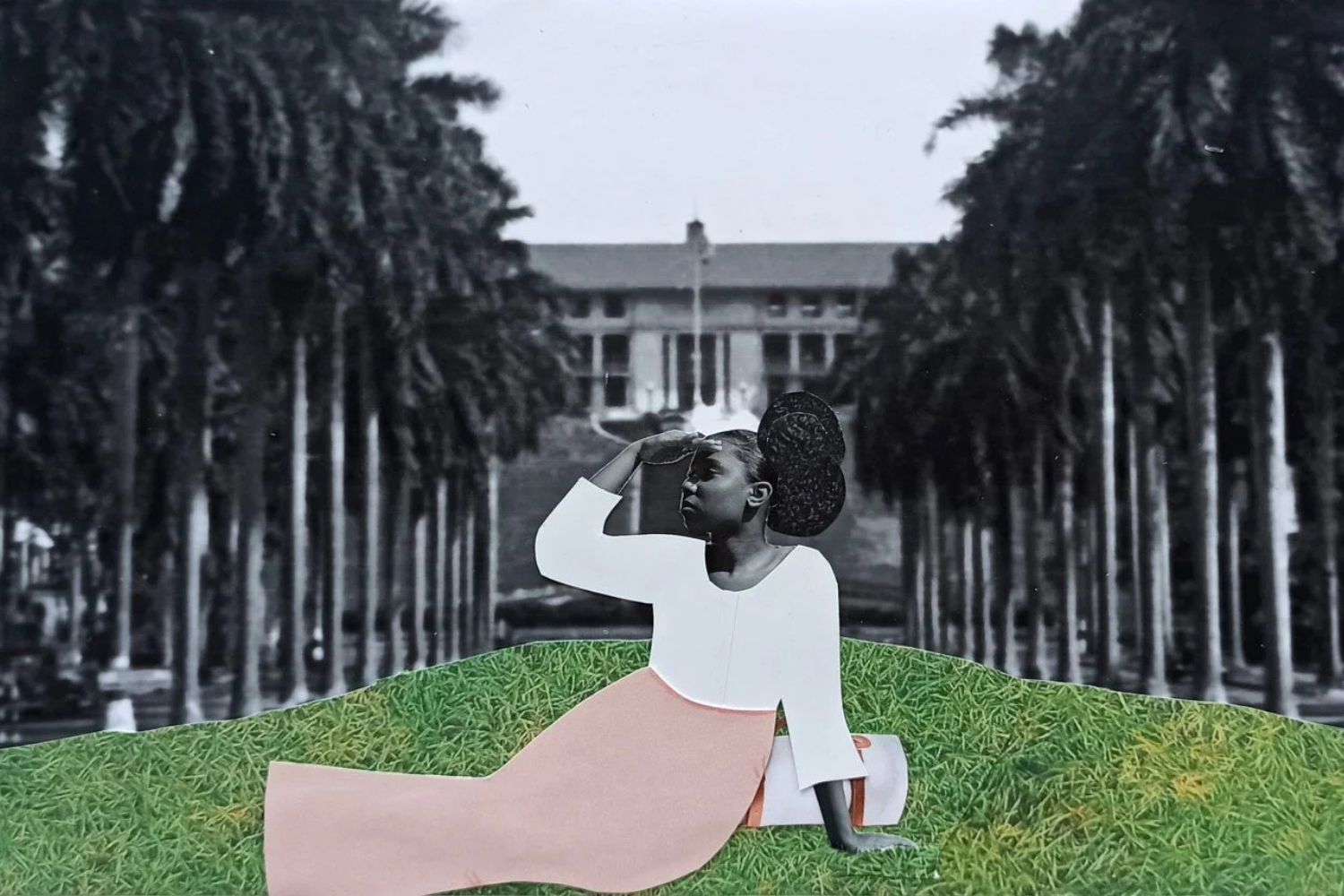
Panamanian Memoryscapes: Diasporic Placemaking, Storytelling, and Material Culture
Join Dr. Maya Doig-Acuña, Dr. Ariana Curtis, Dr. Kaysha Corinealdi, Veronica Chambers, and Shyanne Figueroa Bennett for a panel dialogue exploring how Black Panamanian communities across New York and Central America have made and remade home.
Drawing on historian Christina De Lucia’s conceptualization of memoryscapes—as those “constellations of spots on the land that have accrued stories over time”—this panel of scholars, artists, and curators together explore histories of Black Panamanian placemaking and intimate remembrance of place. From the protection of local landmarks in Brooklyn amid gentrification, to the formation of autonomous community life in Colón, Panama, to the weaving of kinship networks in the former Canal Zone, to the multigenerational preservation of migrating objects and stories, we ask: What have Black Panamanian memoryscapes sustained, contested, or made politically possible?
Dr. Maya Doig-Acuña is the 2026-2027 Miriam Jiménez Román Fellow at The Latinx Project. Click here to read a Q&A with Dr. Doig-Acuña.
Panelists
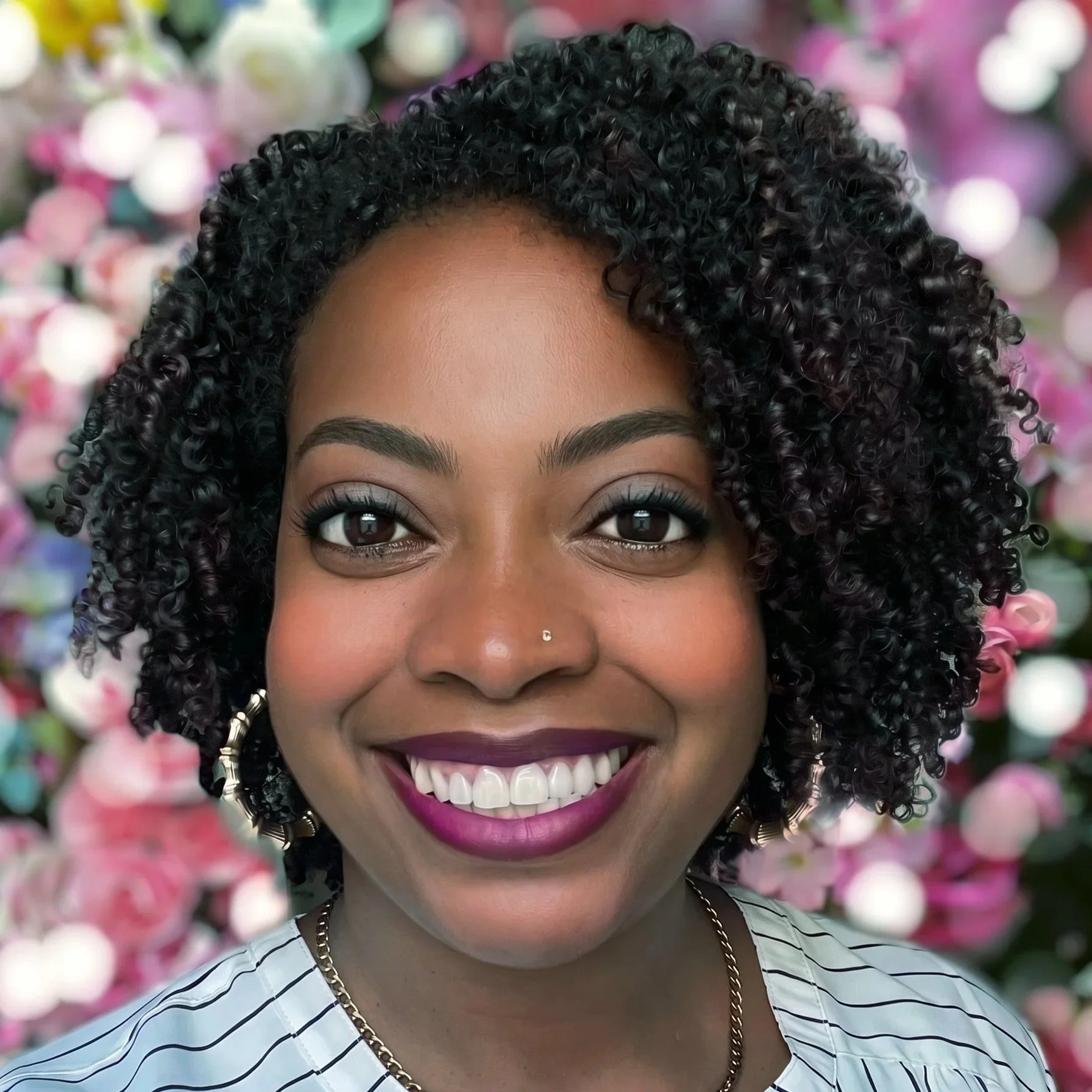
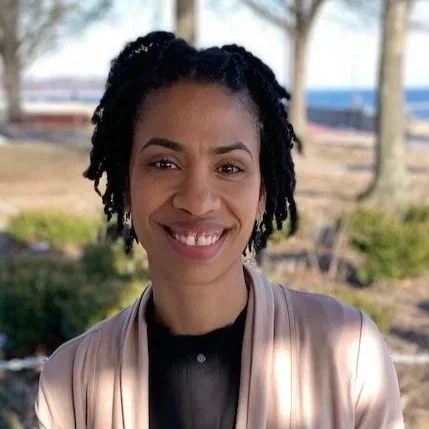
Dr. Ariana A. Curtis is the first curator of Latinx Studies at the National Museum of African American History and Culture (NMAAHC), where she leads research and collections that explore relationships among Latinx, Diasporic, and African American histories and cultures. She curates NMAAHC's award-winning Latinx Collections Portal and the museum exhibition A Changing America: 1968 and Beyond. She has worked at the Smithsonian for over a decade, helping establish major initiatives, including Reckoning with Our Racial Past and the American Women’s History Initiative. Ariana publishes in academic and popular outlets and appears in national and international media. She is a Fulbright scholar, founding member of the Black Latinas Know Collective, and board member of Duke University Libraries and the National Association of Latino Arts and Cultures. Ariana holds a PhD in Anthropology from American University and a BA from Duke University.
Dr. Kaysha Corinealdi is an Associate Professor of Comparative Caribbean and Hemispheric and Hemispheric Transnationalisms in the Departments of Latino and Caribbean Studies and History at Rutgers University. Her research focuses on histories of empire, migration, feminism, and Afro-diasporic activism in the Americas. She is the author of Panama in Black: Afro-Caribbean World Making in the Twentieth Century (Duke University Press, 2022), which centers the activism of Afro-Caribbean migrants and their descendants as they navigated practices and policies of anti-Blackness, xenophobia, denationalization, and white supremacy in Panama and the United States. Her writing can also be found in NACALA: Report on the Americas, Perspectivas Afro, The Funambulist, Radical History Review, Public Books, the American Historical Review, and Signs: Journal of Women in Culture and Society, among other publications. Dr. Corinealdi is also actively engaged in public scholarship as a researcher, editor, and contributor through her work with museums, research foundations, magazines, blogs, and podcasts, and has served as a keynote speaker nationally and internationally for a range of community, academic, governmental, and artistic programs.
Veronica Chambers is an award-winning author and editor of Projects and Collaborations at The New York Times. She is the co-author of five New York Times best-sellers. Her recent work, “Between Harlem and Heaven,” a collection of recipes inspired by the culinary intersections between the Asian and African diaspora in American cuisine, won the James Beard Award for best American cookbook in 2019. She has written more than a dozen books for children, including the critically acclaimed “Celia Cruz, Queen of Salsa” and “Shirley Chisholm is a Verb" and the Afro-Panamanian middle grade series, "Introducing Flora la Fresca." Veronica also has experience in television: she spent two seasons as an executive story editor for the CW series “Girlfriends,” and has also written and developed projects for Fox and Nickelodeon. Born in Panama and raised in Brooklyn, her work often explores her Afro-Latina heritage.
Shyanne Figueroa Bennett is a disabled Brooklyn poet, teaching artist, and editor with roots in Panama, Jamaica, and Puerto Rico. She is a recipient of a 2022 Fulbright Fellowship to Panama to support writing and researching her documentary poetry collection. She earned her MFA in Writing from Columbia University, where she was a recipient of a Chair’s Fellowship and Creative Writing Teaching Fellowship. Her writing has appeared or is forthcoming in various journals, including Callaloo, The Rumpus, Green Mountains Review, The Acentos Review, and PALARA. She is the contributing editor of the special section Black Panama: A People in Transit in Callaloo (February 2027). She has presented her work in numerous venues, including Poets House, The Metropolitan Museum of Art, the Brooklyn Public Library, and the Panama Canal Museum in Panama City, where her poetry is featured in a cross-disciplinary collaboration El Jardín de Mr. Brown with Tova Katzman.
Supporters
The 2026-2027 Miriam Jiménez Román Fellowship is made possible in part with support from the Blanchette Hooker Rockefeller Fund.
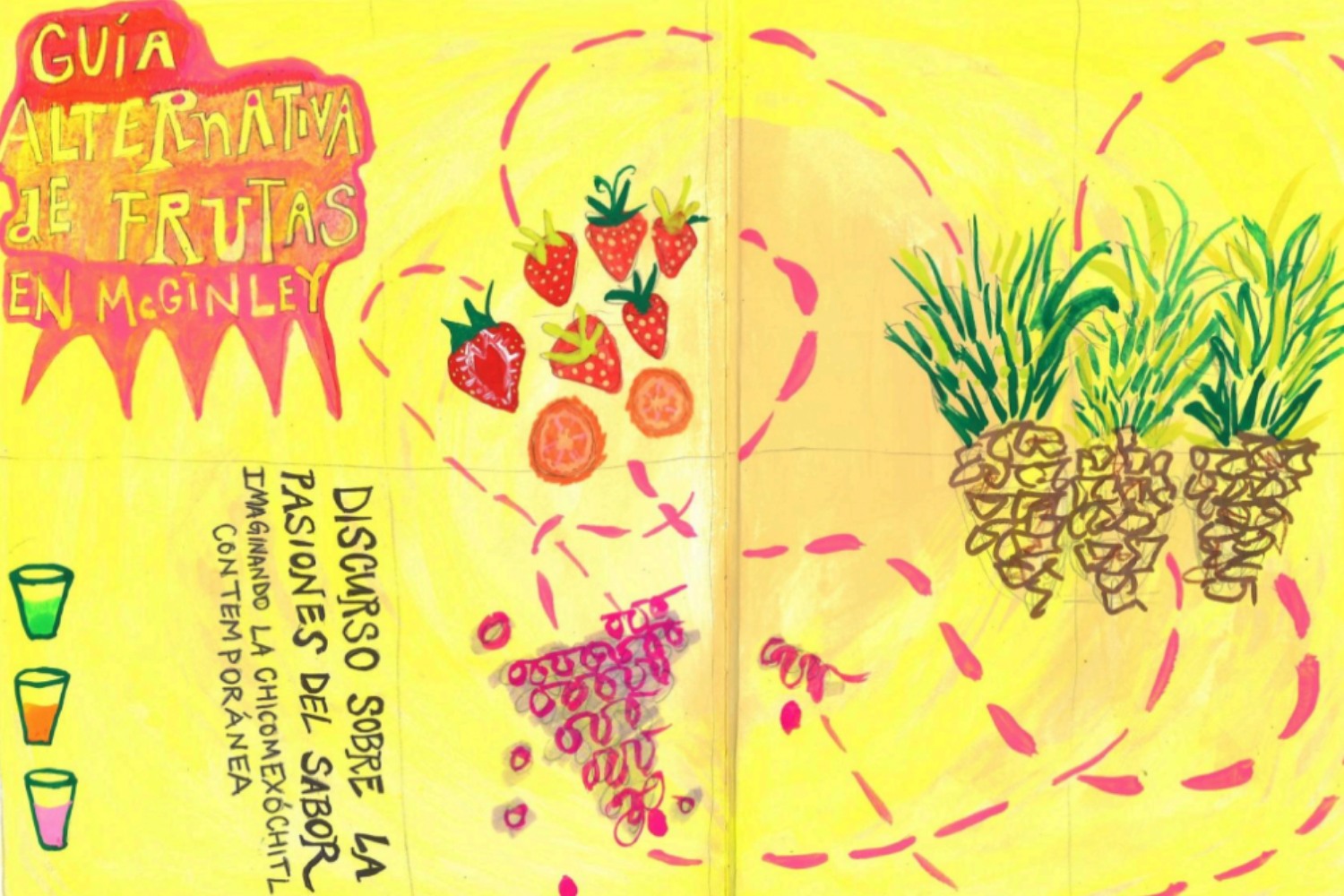
[Artwork: Giana De Dier, featured in Intervenxions Vol. 5]
Crossing Relations: Artist Panel [Virtual]
Save the date!
Join us for a virtual artist panel with Kevin Quiles Bonilla, Paola de la Calle, Victoria Martinez, Johanna Moscoso, and Chelsea Ramírez, organized as part of our fall exhibition, Crossing Relations: Migrations and Possible Worlds. Moderated by exhibition curators Orlando Ochoa, Jr. and Isabel Saavedra-Weis, this conversation invites us to sense modes of relation made in migration and diasporic contexts between people, landscapes, animals, flora, and other entities.
Panelists
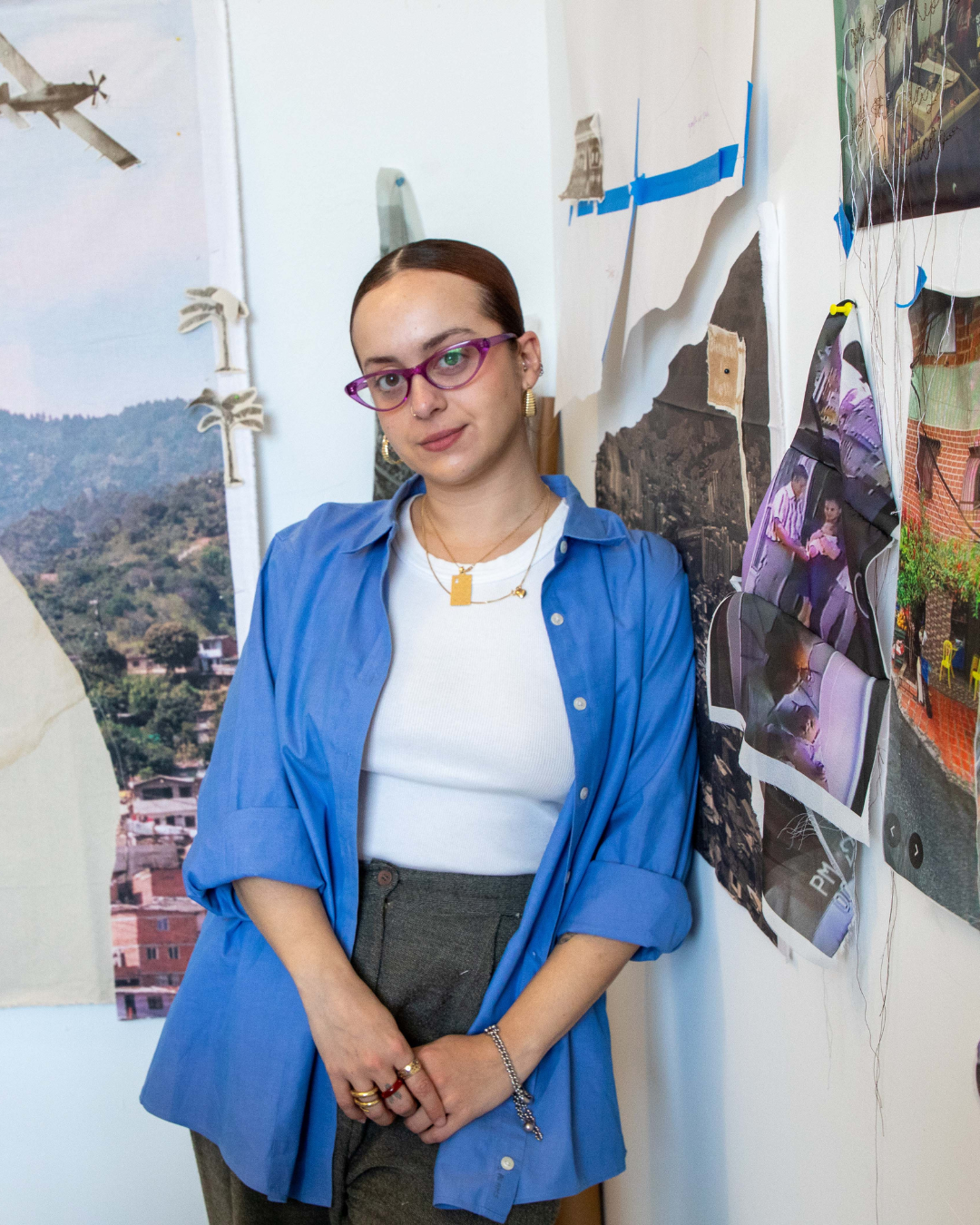
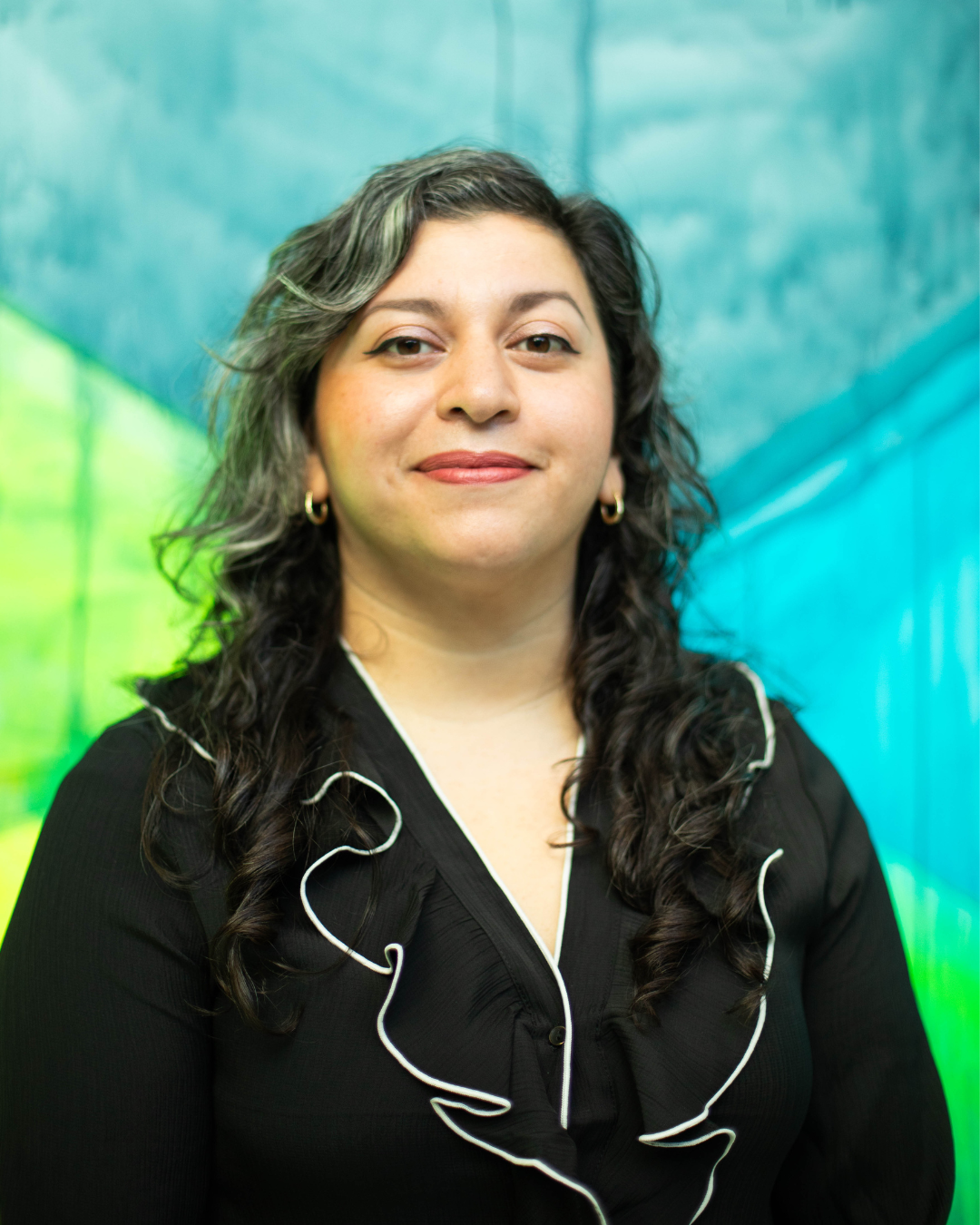
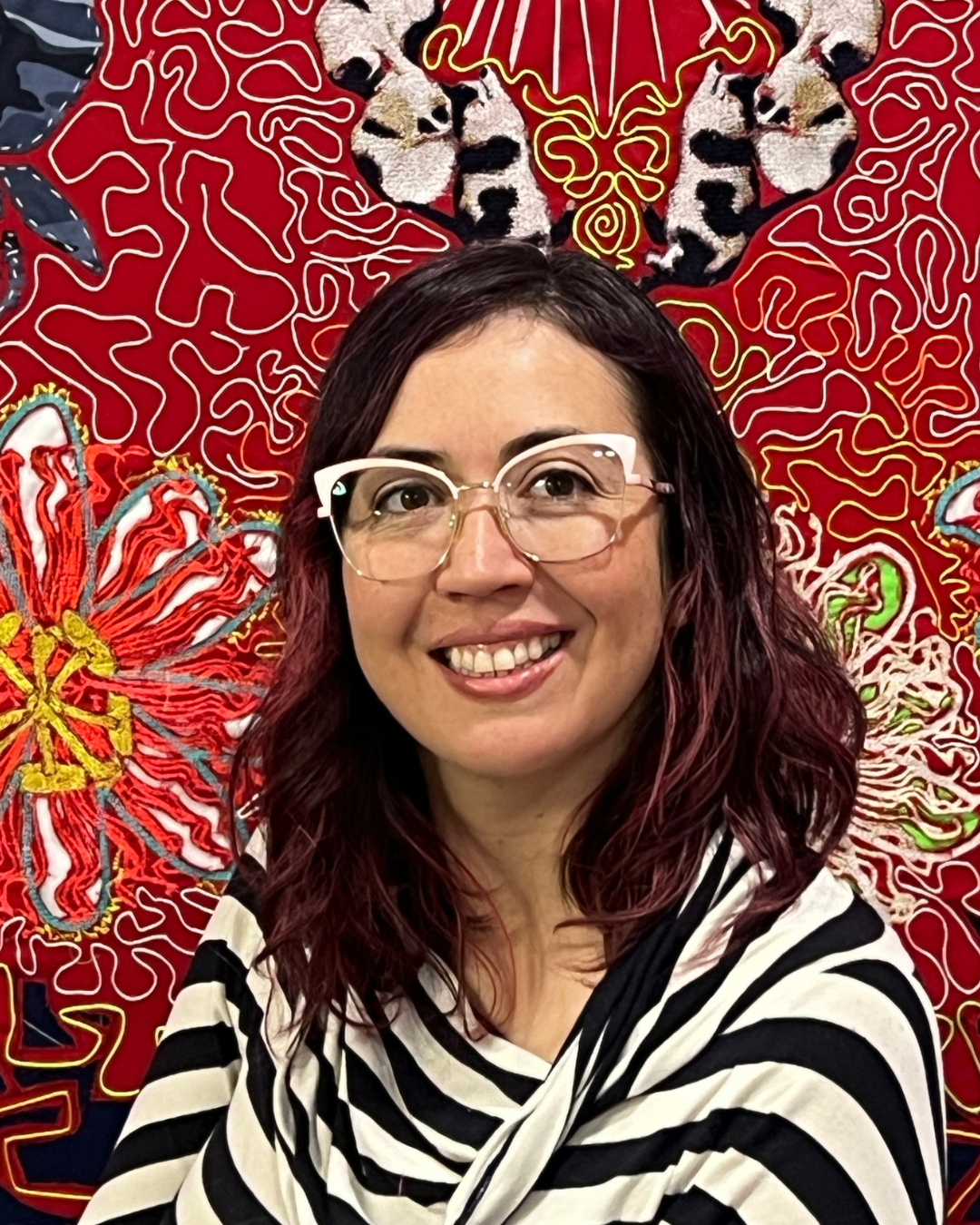
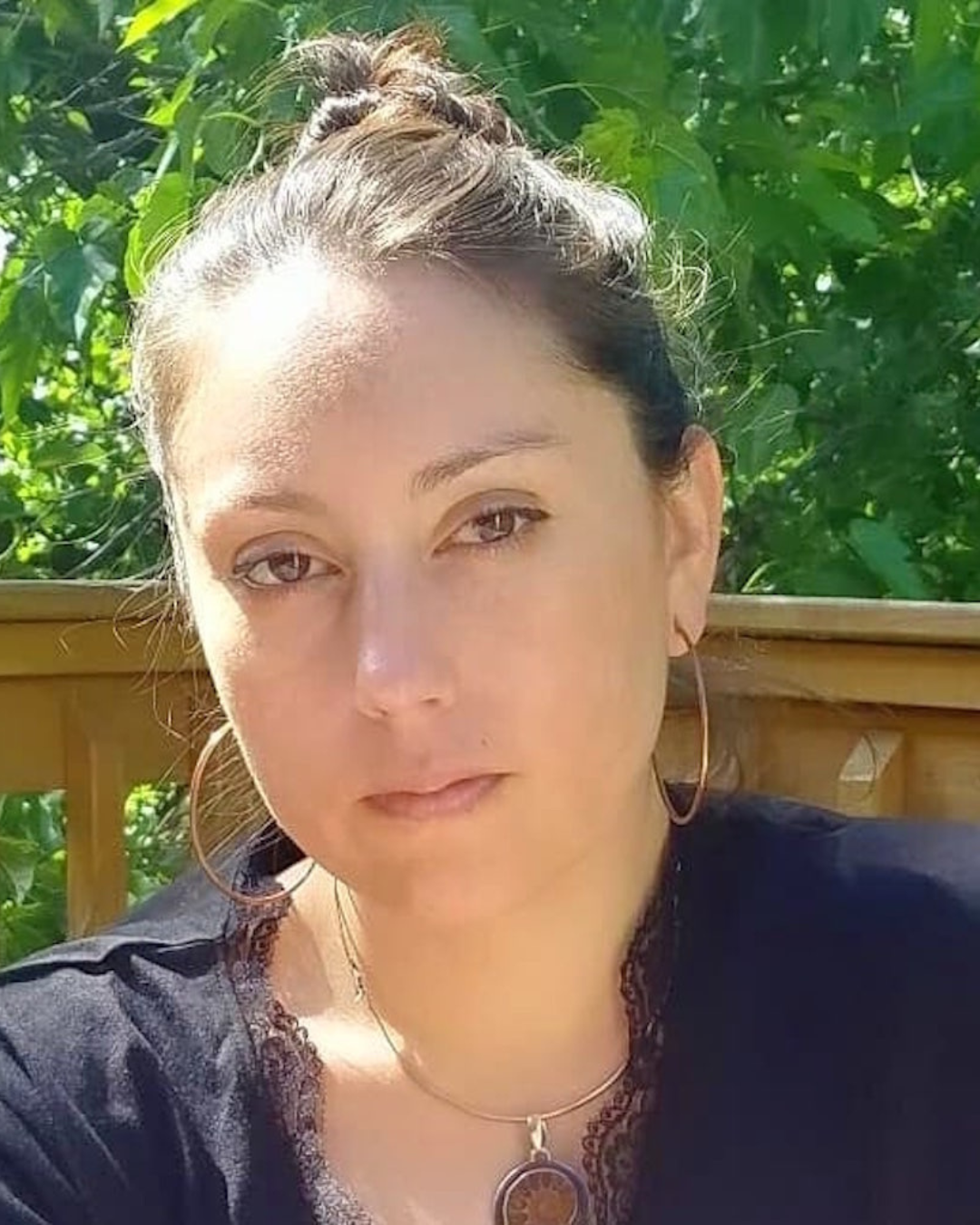
Kevin Quiles Bonilla is an interdisciplinary artist born in San Juan, Puerto Rico. Through photography, performance, and installation, his works explore power, colonialism, and history with his identity as context. He received a BA in Fine Arts from the University of Puerto Rico, Rio Piedras Campus (2015) and an MFA in Fine Arts from Parsons The New School for Design (2018). He has presented his work at the Brooklyn Museum, Queens Museum, Lincoln Center, the Ford Foundation, Wave Hill Public Garden and Cultural Center, Bronx, NY, and Baxter St at the Camera Club of New York. He has received multiple residencies, most recently Smack Mellon Artist Studio Program (2022-2023); NYLAAT Residency Program (2023); Art Matters Artist2Artist Fellowship (2023); Monira Foundation Residency (2024); The Art Center at Governors Island (2024); Robert Blackburn Printmaking Workshop SIP Fellowship (2024); and the AIM Fellowship at The Bronx Museum of Art (2026).
Paola de la Calle is a Colombian-American multidisciplinary artist whose work explores home, identity, borders, and nostalgia through textiles, printmaking, and sculpture. Drawing from family photographs, found images, poetic texts, coffee paintings, and found objects, she investigates memory, migration, and the socio-political relationship between Colombia and the United States. She has received fellowships from KALA (2022) and The Studios at Mass MoCA (2025), and has participated in residencies at the Textile Arts Center in Brooklyn and Casa Lu in Mexico City. She was awarded the 2026–2027 Ann Chamberlain Artist-in-Residence at San Francisco State University. De la Calle is a graduate of the New York Foundation of the Arts Immigrant Artist Program (2019) and was lead artist for the Caravan for the Children Campaign during her residency with Galeria de la Raza (2020).
Victoria Martinez is an interdisciplinary artist who honors her Mexican-American ancestry through textile-based projects including painting, printmaking, and public art. She aligns herself with abstraction and her work is inspired by ancient sites, architecture, and the urban environment. Martinez’s practice considers the relationships between the body, the built environment, and systems of power. Following her feet, she revels in everyday urban forms: pattern motifs from metal fences, bricks, color fields of decaying paint, and lines that direct us to where and how we move. She has exhibited at the Yale University Art Gallery, Poetry Foundation, the McNay Art Museum and Museo Universitario Del Chopo. Martinez holds a BFA from the Minneapolis College of Art and Design and an MFA from Yale University.
Johanna Moscoso is a Colombian-American visual artist who works in fiber, installation, and performance. Her artwork is held in prominent private and public collections, including the Solita Cohen Latin American Art Collection, the Memphis Public Libraries, and the Memphis International Airport. Moscoso has held numerous solo exhibitions at institutions including the SCAD Museum of Art. In 2024, her first retrospective was presented at the Tennessee Arts Commission. She has been awarded prestigious residencies, including the University of Arkansas Fort Smith (supported by the Windgate Foundation), and the BOLT Residency at the Chicago Artists Coalition and Arts/Industry Residency at Arts/Industry Residency at Kohler Co (John Michael Kohler Arts Center). Additionally, Moscoso has received institutional grant support from South Arts, the Foundation for Contemporary Arts, ARTSmemphis, Tri-Star Arts, and the Tennessee Arts Commission.
Chelsea Ramírez is a visual artist whose practice visualizes the magic tethered to diasporic sensibility. She received a B.F.A from the University of Central Florida (2012) and completed an MFA from Louisiana State University (2015). Ramírez’s work has been shown at the Huntsville Museum of Art, AL; Prospect 3+: BR Invitational, LA; Dinner Gallery, NYC; BAM Rudin Family Gallery, NYC; and the Sotheby’s Institute of Art, NYC; amongst others. Ramírez’s work has been published in The Artist’s Working Journal, 2016; Flyway Journal, 2017; Soy Mujerista, 2019; and The Latinx Project: Intervenxions, 2023. Ramírez has also created site-specific commissions, including at the LSU Museum of Art (2015) and the Louisiana International Film Festival (2013). She was selected for the 2021 US Latinx Art Forum CHISPA grant and is a 2024-25 Baldwin for the Arts Fellow. She lives and works in Brooklyn, NY.
[Artwork Thumbnail: Victoria Martinez ]
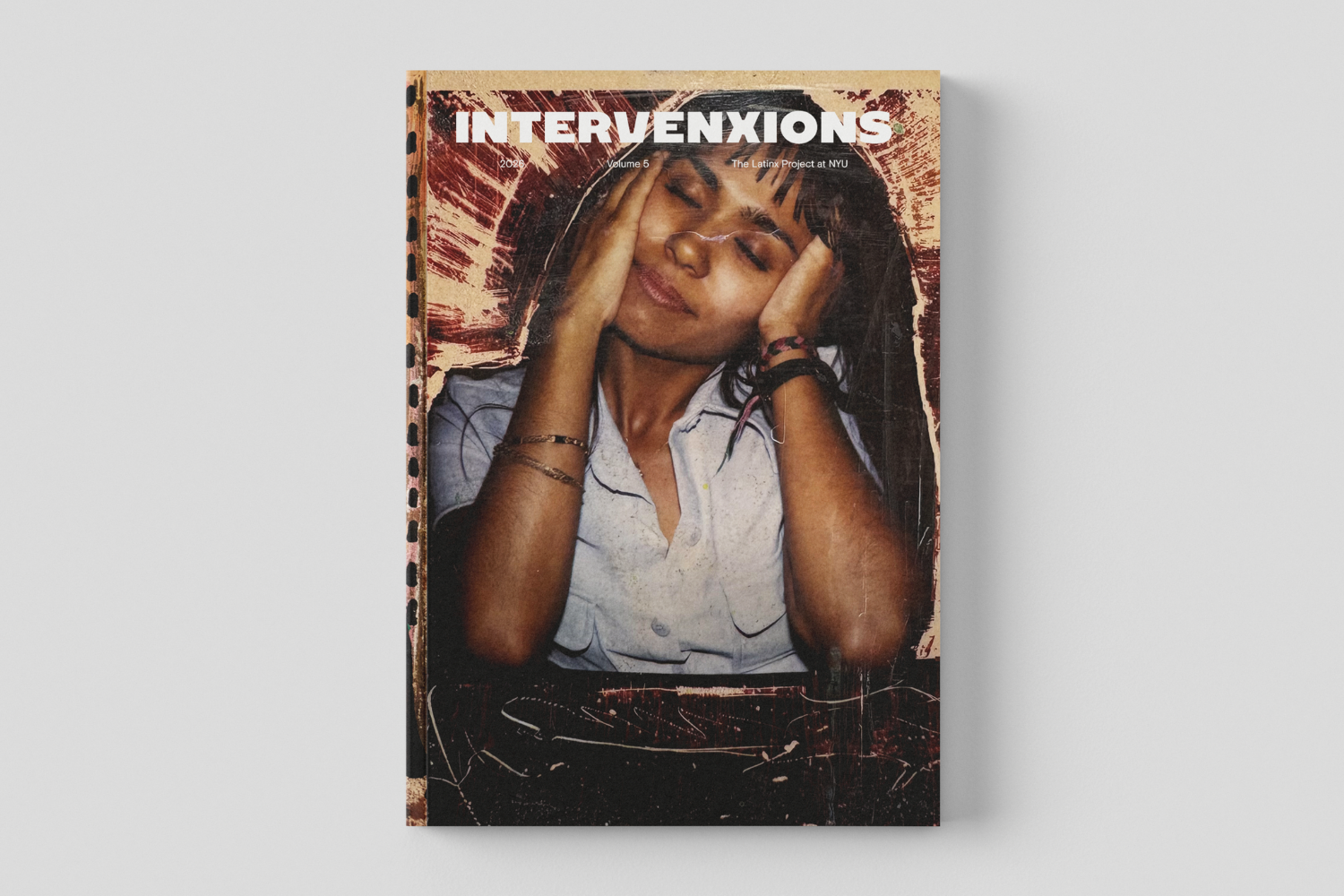
Intervenxions: Vol. 5 Launch
On October 3, 2026, Intervenxions Vol. 5 will launch at La Feria: Print Media Fair. The first printed volume—released in 2022—was a way to preserve digital content in physical media, but it has become more than that. The volume is a collection of some of our most impactful pieces of the past year. It’s also an opportunity to highlight the unsung heroes in our communities.
From 4 p.m. to 6 p.m., we’ll be serving special treats to celebrate the publication. Meet editors Yara Simón and Alex Santana as well as contributors to the publication.
This year’s issue examines hidden art scenes and subcultures across three sections: Germination, Regional Undergrounds, and Aftereffects. The front and back covers feature the works of Eliezer Parrilla Mena, a New York-born artist whose work spans more than five decades.
Vol. 5 includes 15 articles by a diverse group of writers:
Emanuel Bravo
Xavi Burgos
Dr. Christopher Chávez
C.J. Chueca
Arlene Dávila
Hilda Lloréns
Irene Mata
Orlando Ochoa, Jr.
S. Quechol
Nilda Mercedes Peraza
Pamela Santana Oliveros
Yara Simón
Michael Anthony Turcios
Camila Valle
Kiara Cristina Ventura
Jessy V. Castillo designed Intervenxions Vol. 5. To purchase a volume, visit The Latinx Project store.
Image Thumbnail: Afrofutur1st Garcon at The Latex Ball 2025: One Thousand Nights. Photo by Devin Harvey.
La Feria: Print Media Fair
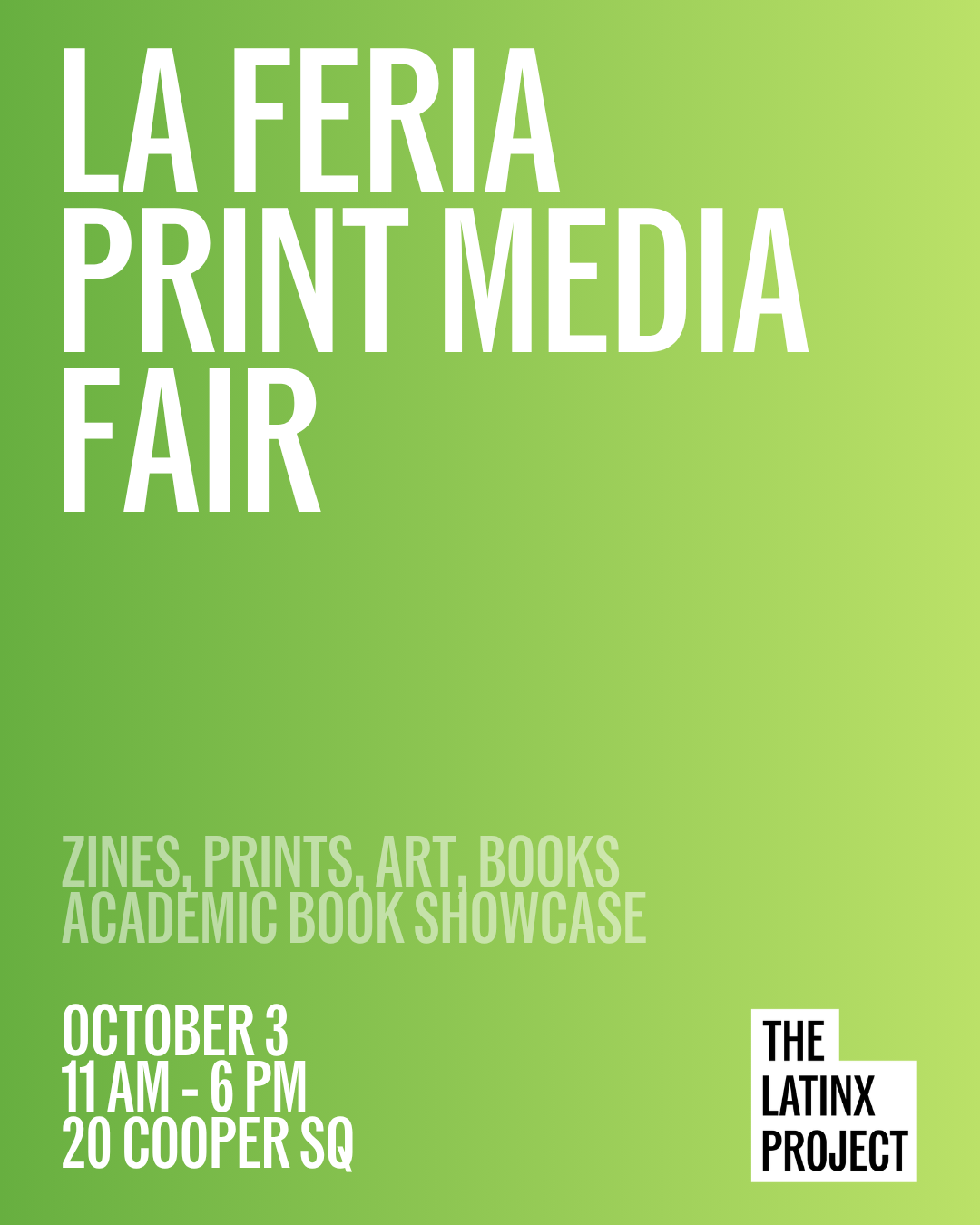
The Latinx Project presents its third print media fair featuring a mix of exhibitors. You'll find a range of zines, print media, works on paper, and artist prints by exhibitors selected via open call at this one-day event. Alongside the participating artists and small publishers at La Feria, there will also be an academic book showcase with recent works. In the afternoon, we’ll celebrate Intervenxions Vol. 5, a publication featuring original arts writing and criticism.
RSVP required and advance registration recommended. Registration available on-site.
Schedule: Saturday, 10/3/26
11am Doors open
2pm Crossing Relations Exhibition Tour
4pm Intervenxions Vol. 5 Launch
6pm Doors close
+ All-day Academic Book Showcase
+ All-day Zines With Friends
Academic Book Showcase
As part of La Feria, we’re featuring a display of recent academic texts from publishers including University of Arizona Press, Duke University Press, Fordham University Press, University of Michigan Press, University of Minnesota Press, NYU Press, Rutgers University Press, and University of Texas Press. View the list of titles here.
Zines with Friends by PORTAL
The theme is: Palabras Que Nos Hicieron / Words That Made Us — favorite sayings from family, slang, bilingual phrases, or words of survival. The prompt invites participants to reflect on the words and language they carry with them. Participants will create one-page folded zines using a variety of prepared pages as a base, incorporating text and imagery. Heres a little video tutorial showing the folding technique.
Accessibility
La Feria is committed to creating an accessible and safe environment for all visitors, exhibitors, and staff. Our space is fully accessible for wheelchair users. Additionally, there are gender-neutral restrooms on the first and third floors.
Don’t miss this opportunity to engage with diverse and vibrant voices in our community!
Exhibitors
Archive Reform
Ayuso
Balam
BOTÁNICA BODEGA
Brooklyn Hi-Art! Machine
Carlos Wilfredo Encarnación
Casa Riel
Cecilia Mandrile
CENTRO Press, of the Center for Puerto Rican Studies at Hunter College
chupacabras
Clo Pantano
Danielle De Jesus
Editorial Smol Books
EFA Robert Blackburn Printmaking Workshop
En Foco
Faviola López-Romani
Gabriel Garcia Roman
Gabriel Pilar Pala
Intervenxions
Jamison Cloud
Janus Point Press
Jessica Elena Aquino
Julian Barbarino
Kelynn Z. Alder - Lotería Series
La Force Collective
La Lotería NiuYorKina
Luis A. Gutierrez
Luis Carle
LxNY: Latinx Arts Consortium of New York
Manuel Hernandez
Mil Mundos Books
Mobile Print Power
ñ press
Nyugen E. Smith (Bundlehouse)
Paleta Zine
PORTAL
R. Galvan
Santi Pérez García
Taller Boricua. Rafael Tufiño Printshop
Tatiana Arocha
Terminal Ediciones
The Clemente Soto Vélez Cultural and Educational Center
Tokala
Transmitter
U Got A Light

Open Call: Academic Book Showcase
The Latinx Project will organize and host its third print media fair on Saturday, October 3, 2026. As part of the fair, we are organizing an interdisciplinary showcase of academic books published within the last three years in Latinx Studies.
Books will be displayed as part of a communal showcase table. If you would like to participate, please mail one copy of your book, a flyer or purchase details (if you have one), and a note for the organizers with your contact information and social media handles (if you would like to be tagged in any posts).
Submitted books can be picked up in person after the fair or donated to the center’s nascent book collection. We do not have the capacity to return books via mail.
Local authors are invited to join us and attend the fair.
Mailing address:
NYU Latinx Project
20 Cooper Sq., 3rd Fl
New York, NY 10003
Inquiries: Please email latinxproject@nyu.edu with Academic Book Showcase in the subject line.
Print Media & Art: We encourage exhibitors of independent publishing, zines, prints, or works on paper to click here to learn more about participation in the fair.
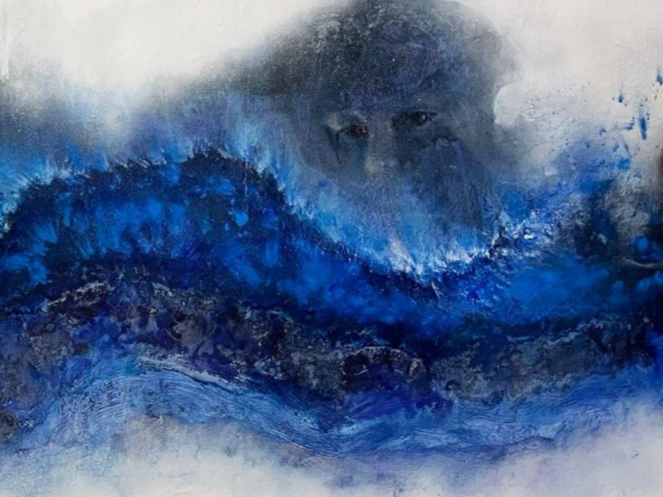
Exhibition Opening | Crossing Relations: Migrations and Possible Worlds
Save the date for the opening of our Fall 2026 exhibition titled Crossing Relations: Migrations and Possible Worlds.
Curated by Orlando Ochoa, Jr. and Isabel Saavedra-Weis, Crossing Relations features the work of seven contemporary artists—Paola de la Calle, Juana Estrada Hernández, Victoria Martinez, Johana Moscoso, Kevin Quiles Bonilla, Chelsea Ramírez, and Juana Valdés—who document the intimate texture of movement and ties across the lands, waters, and skies of Colombia, Cuba, Mexico, Puerto Rico, and regions of the United States.
Click here to RSVP. Recommended but not required.
Image Thumbnail: Chelsea Ramirez, River Echo, blue tides, 2025. Courtesy of the artist