
Historians Eladio Bobadilla and Mary E. Mendoza present new scholarship on the US-Mexico borderlands and mass migration, in a conversation moderated by Irvin Ibarguen. Bobadilla unearths the relation of Mexican-Americans to the immigrant rights movement, both as supporters and detractors. Mendoza shows the border as a crossing not just for migrants but for cattle, fruit flies, lice, and other non-human life forms, revealing how modern border-controls emerged in response to varied cross-border movements
[Book Cover Detail: Dangerous Migration, U. Illinois Press]
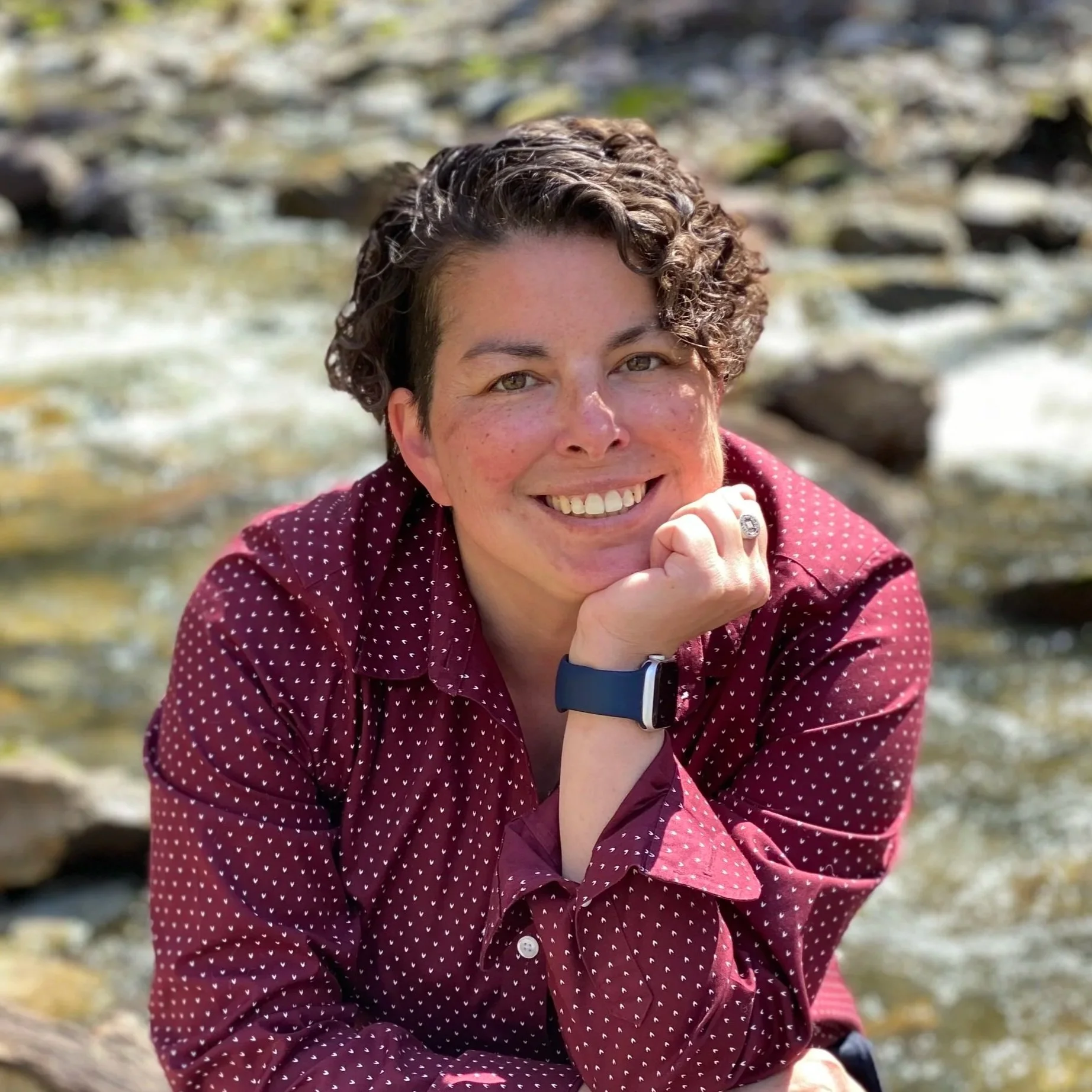
Mary E. Mendoza is an Assistant Professor of History and Latino/a Studies at Penn State University. Her new book, Deadly Divide: How Insects, Pathogens and People defied the U.S.-Mexico Border (UNC, April 2026),explores the intersections between the natural and built environments along the boundary between the United States and Mexico. She is also the co-editor of Not Just Green, Not Just White: Race, Justice, and Environmental History (Nebraska, 2025), an anthology on race and environment. She has received major grants and fellowships from an array of organizations, including the National Science Foundation, the Smithsonian, the Ford Foundation, the Huntington Library, and the Woodrow Wilson Foundation.
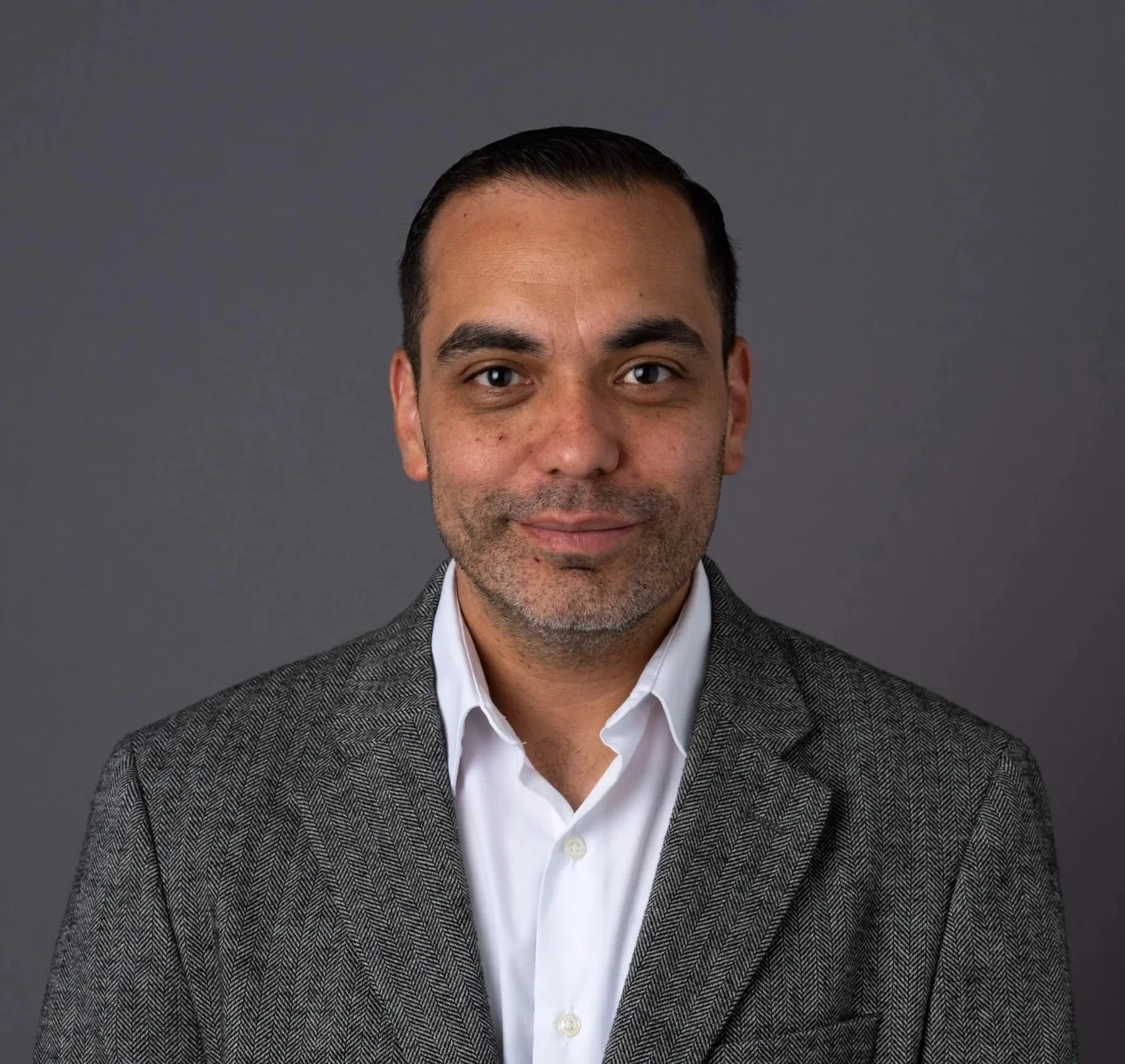
Eladio Bobadilla research explores how ordinary and working-class people have challenged systems of power, built communities, and imagined more just futures, as well as how liberatory and reactionary movements have shaped one another throughout U.S. history. His first book, Dangerous Migration: Mexican Labor and the Fight for Immigrant Rights (University of Illinois Press, 2026), traces the development of the modern immigrant rights movement alongside the rise of nativist politics, examining the historical tensions surrounding Mexican migration, labor, and solidarity. His scholarship has appeared in academic publications and public-facing outlets, including The Washington Post, Time, and The Progressive. He holds a Ph.D. in history from Duke University. His current research examines the histories of community armed defense and soccer supporter culture in the United States.
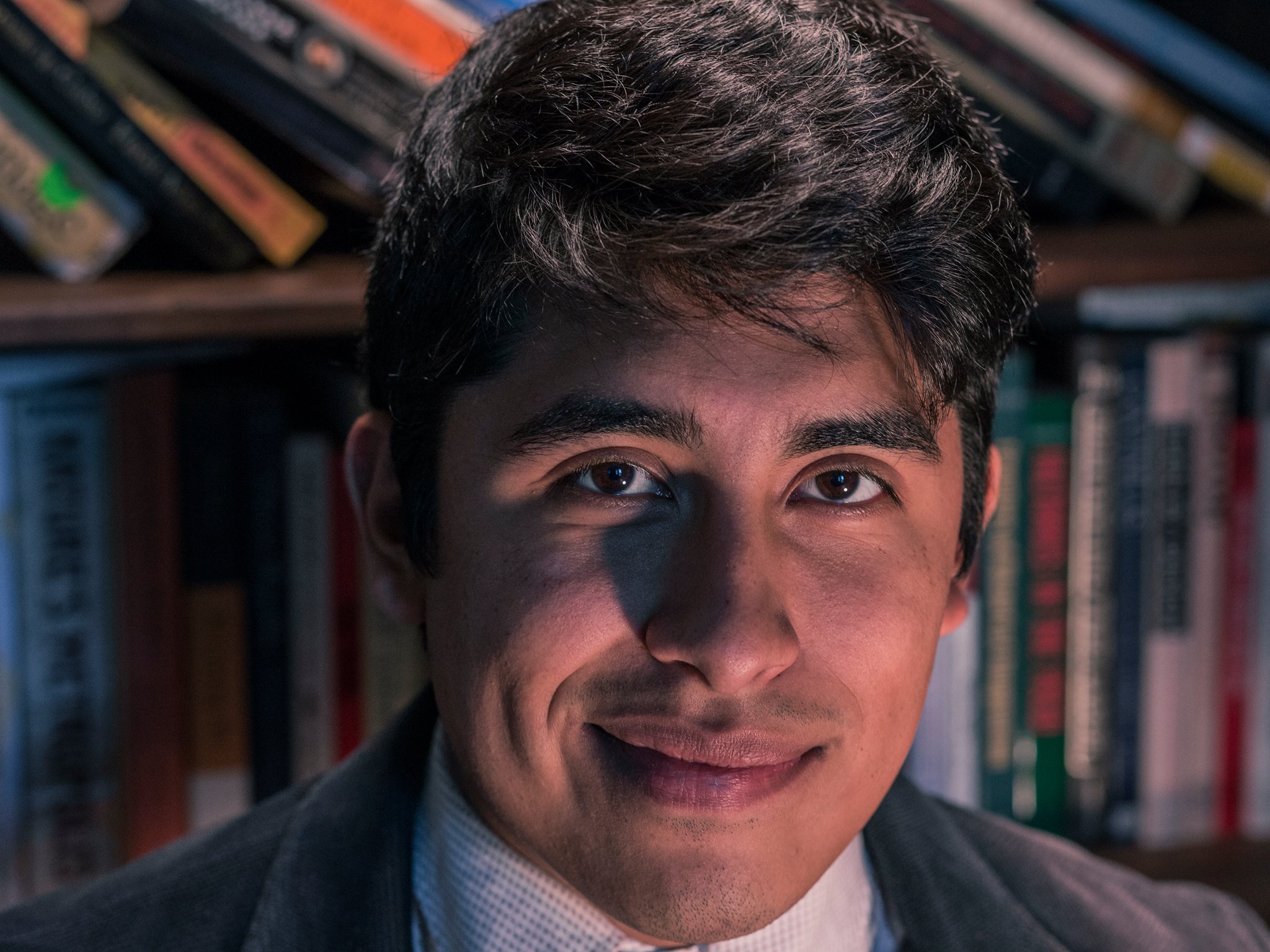
Irvin Ibarguen is an assistant professor of history at New York University where he specializes in the history of Latino migration. His first book is titled Caught in the Current: Mexico’s Struggle to Regulate Emigration, 1940-1980, and was published in 2025 with UNC Press in the David J. Weber Series in the New Borderlands History. At the 2026 International Latino Book Awards it was recognized with a Gold Medal in the ‘Best History Book’ category. He is at work on a second book project titled True North: The Uncertain Paths of Guatemalan Migrants, 1976-1996, under contract with Stanford University Press. Rather than assume the US as the default destination for migrants, it follows the multi-directional journey of Guatemalans displaced by civil war, as they settled and resettled in the margins of Mexican territory.