
Join Dr. Maya Doig-Acuña, Dr. Ariana Curtis, Dr. Kaysha Corinealdi, Veronica Chambers, and Shyanne Figueroa Bennett for a panel dialogue exploring how Black Panamanian communities across New York and Central America have made and remade home.
Drawing on historian Christina De Lucia’s conceptualization of memoryscapes—as those “constellations of spots on the land that have accrued stories over time”—this panel of scholars, artists, and curators together explore histories of Black Panamanian placemaking and intimate remembrance of place. From the protection of local landmarks in Brooklyn amid gentrification, to the formation of autonomous community life in Colón, Panama, to the weaving of kinship networks in the former Canal Zone, to the multigenerational preservation of migrating objects and stories, we ask: What have Black Panamanian memoryscapes sustained, contested, or made politically possible?
Dr. Maya Doig-Acuña is the 2026-2027 Miriam Jiménez Román Fellow at The Latinx Project. Click here to read a Q&A with Dr. Doig-Acuña.
Panelists
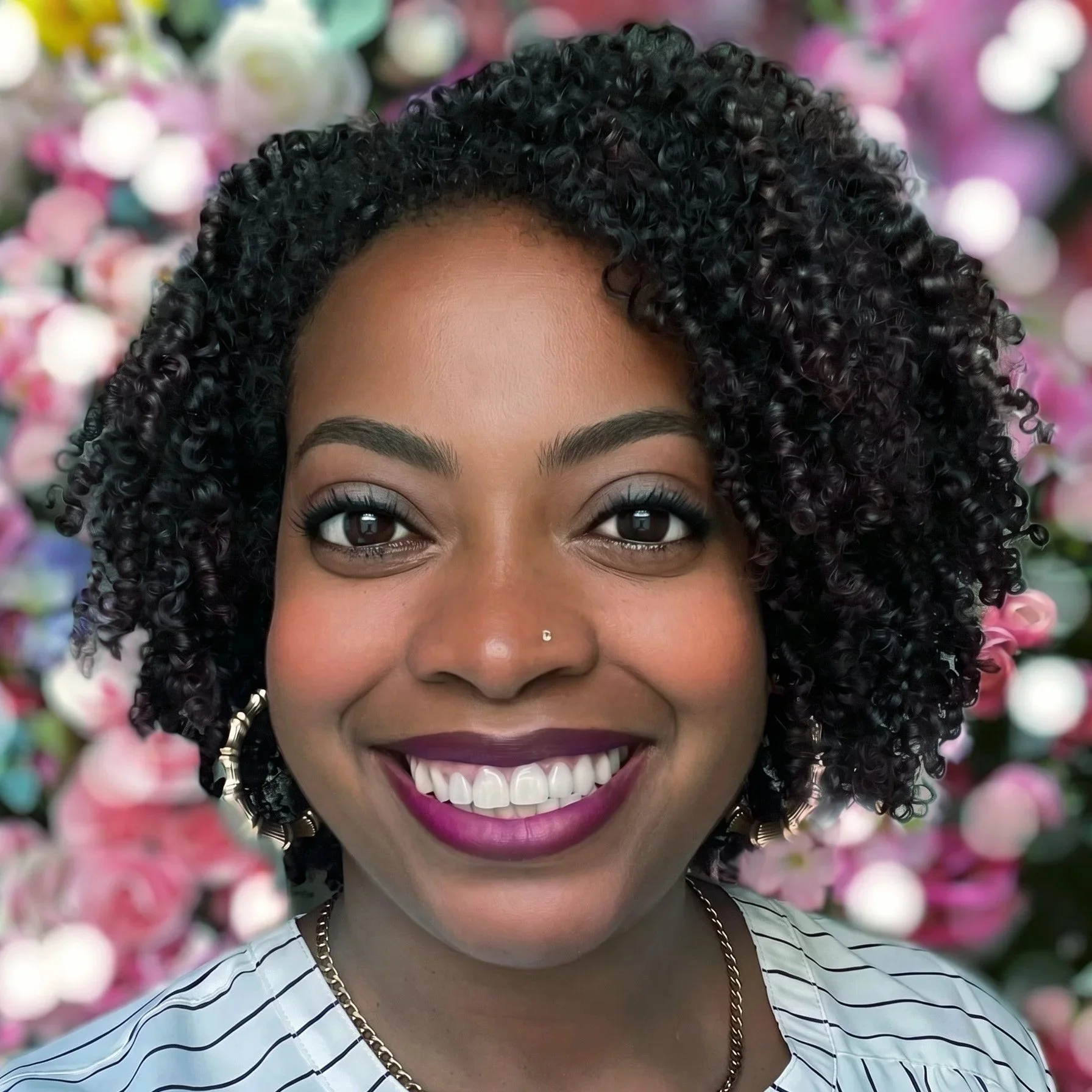
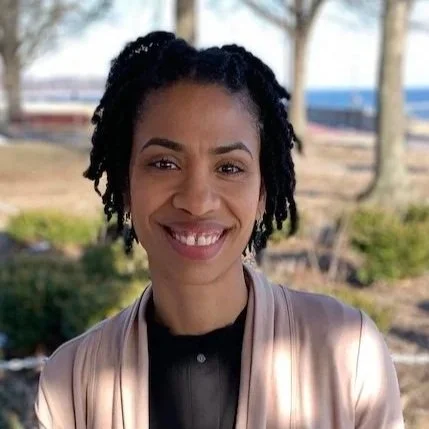
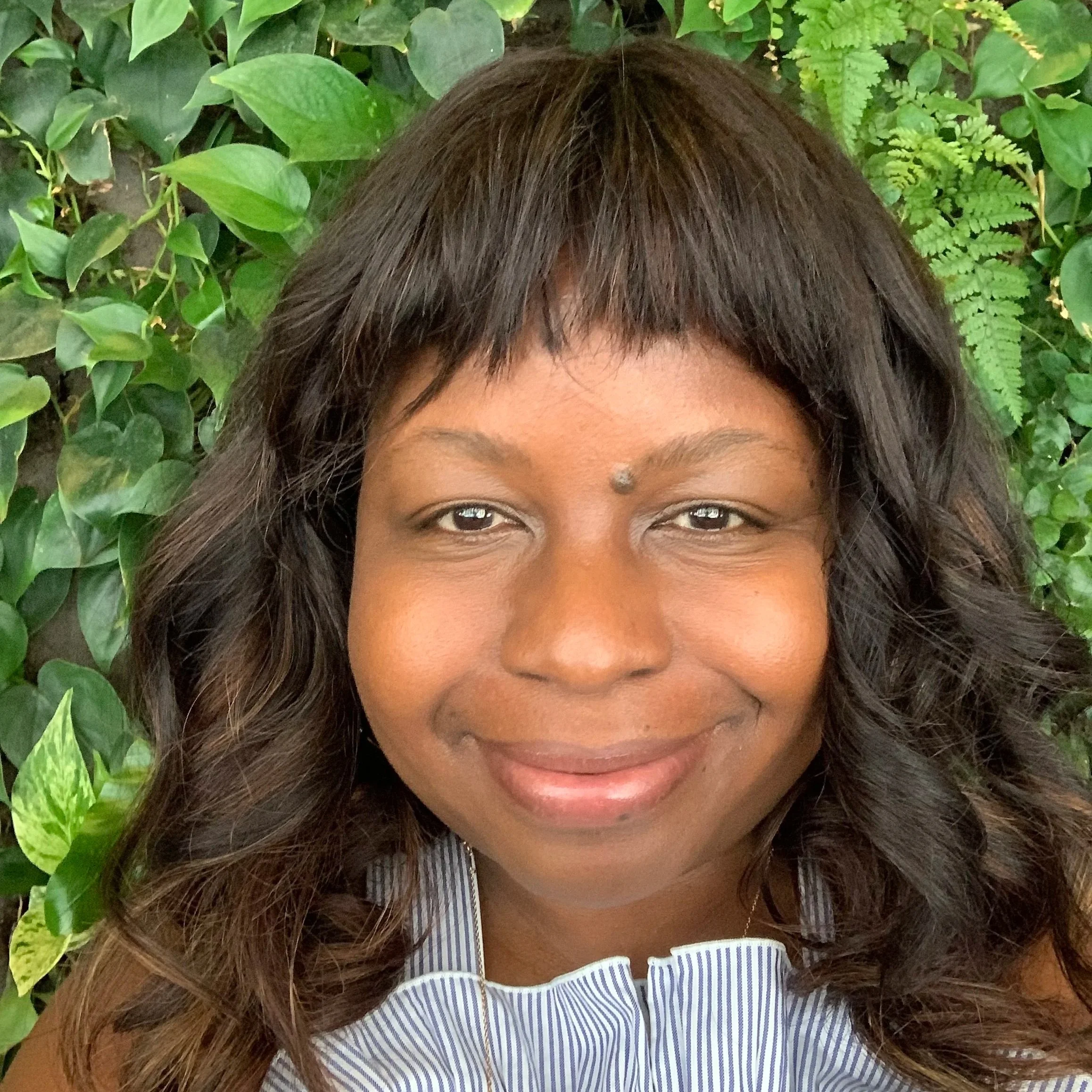
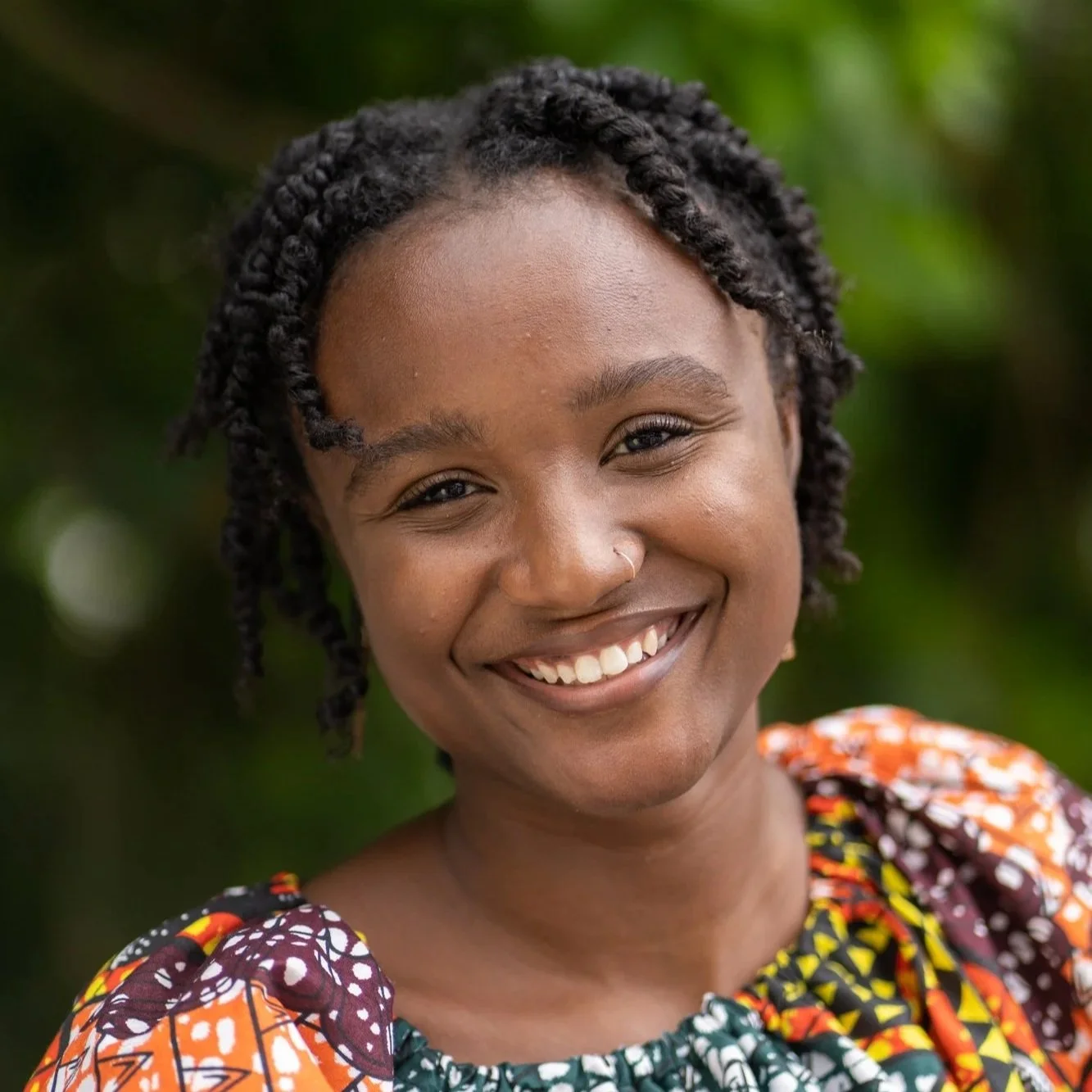
Dr. Ariana A. Curtis is the first curator of Latinx Studies at the National Museum of African American History and Culture (NMAAHC), where she leads research and collections that explore relationships among Latinx, Diasporic, and African American histories and cultures. She curates NMAAHC's award-winning Latinx Collections Portal and the museum exhibition A Changing America: 1968 and Beyond. She has worked at the Smithsonian for over a decade, helping establish major initiatives, including Reckoning with Our Racial Past and the American Women’s History Initiative. Ariana publishes in academic and popular outlets and appears in national and international media. She is a Fulbright scholar, founding member of the Black Latinas Know Collective, and board member of Duke University Libraries and the National Association of Latino Arts and Cultures. Ariana holds a PhD in Anthropology from American University and a BA from Duke University.
Dr. Kaysha Corinealdi is an Associate Professor of Comparative Caribbean and Hemispheric and Hemispheric Transnationalisms in the Departments of Latino and Caribbean Studies and History at Rutgers University. Her research focuses on histories of empire, migration, feminism, and Afro-diasporic activism in the Americas. She is the author of Panama in Black: Afro-Caribbean World Making in the Twentieth Century (Duke University Press, 2022), which centers the activism of Afro-Caribbean migrants and their descendants as they navigated practices and policies of anti-Blackness, xenophobia, denationalization, and white supremacy in Panama and the United States. Her writing can also be found in NACALA: Report on the Americas, Perspectivas Afro, The Funambulist, Radical History Review, Public Books, the American Historical Review, and Signs: Journal of Women in Culture and Society, among other publications. Dr. Corinealdi is also actively engaged in public scholarship as a researcher, editor, and contributor through her work with museums, research foundations, magazines, blogs, and podcasts, and has served as a keynote speaker nationally and internationally for a range of community, academic, governmental, and artistic programs.
Veronica Chambers is an award-winning author and editor of Projects and Collaborations at The New York Times. She is the co-author of five New York Times best-sellers. Her recent work, “Between Harlem and Heaven,” a collection of recipes inspired by the culinary intersections between the Asian and African diaspora in American cuisine, won the James Beard Award for best American cookbook in 2019. She has written more than a dozen books for children, including the critically acclaimed “Celia Cruz, Queen of Salsa” and “Shirley Chisholm is a Verb" and the Afro-Panamanian middle grade series, "Introducing Flora la Fresca." Veronica also has experience in television: she spent two seasons as an executive story editor for the CW series “Girlfriends,” and has also written and developed projects for Fox and Nickelodeon. Born in Panama and raised in Brooklyn, her work often explores her Afro-Latina heritage.
Shyanne Figueroa Bennett is a disabled Brooklyn poet, teaching artist, and editor with roots in Panama, Jamaica, and Puerto Rico. She is a recipient of a 2022 Fulbright Fellowship to Panama to support writing and researching her documentary poetry collection. She earned her MFA in Writing from Columbia University, where she was a recipient of a Chair’s Fellowship and Creative Writing Teaching Fellowship. Her writing has appeared or is forthcoming in various journals, including Callaloo, The Rumpus, Green Mountains Review, The Acentos Review, and PALARA. She is the contributing editor of the special section Black Panama: A People in Transit in Callaloo (February 2027). She has presented her work in numerous venues, including Poets House, The Metropolitan Museum of Art, the Brooklyn Public Library, and the Panama Canal Museum in Panama City, where her poetry is featured in a cross-disciplinary collaboration El Jardín de Mr. Brown with Tova Katzman.
Supporters
The 2026-2027 Miriam Jiménez Román Fellowship is made possible in part with support from the Blanchette Hooker Rockefeller Fund.
[Artwork: Giana De Dier, featured in Intervenxions Vol. 5]